 ultimate-guide
Learn Drone Flying: A Beginner's Guide
Table of Contents
- Why Learn Drone Flying
- FAA Part 107 Certification Requirements
- Drone Flight Training for Beginners
- Best Places to Fly Drones Legally
- Essential Equipment and Technology
- Real-World Applications and Career Paths
- Getting Started: Your First Steps
- Frequently Asked Questions
Last Updated: September 26, 2026
Why Learn Drone Flying
When you learn drone flying, you open doors to professional opportunities and technical mastery. Whether you're interested in aerial photography for real estate, agricultural monitoring, infrastructure inspection, or emergency response, understanding how to operate an unmanned aircraft system (UAS) has become a valuable skill across multiple industries.
Modern drones are intuitive, flight simulators let you practice without risk, and structured training paths exist for beginners. But there's a difference between owning a drone and flying it responsibly and legally, that's where formal instruction comes in.
Learning drone flying in a structured way sets you up for success and keeps you compliant with federal regulations.
FAA Part 107 Certification Requirements
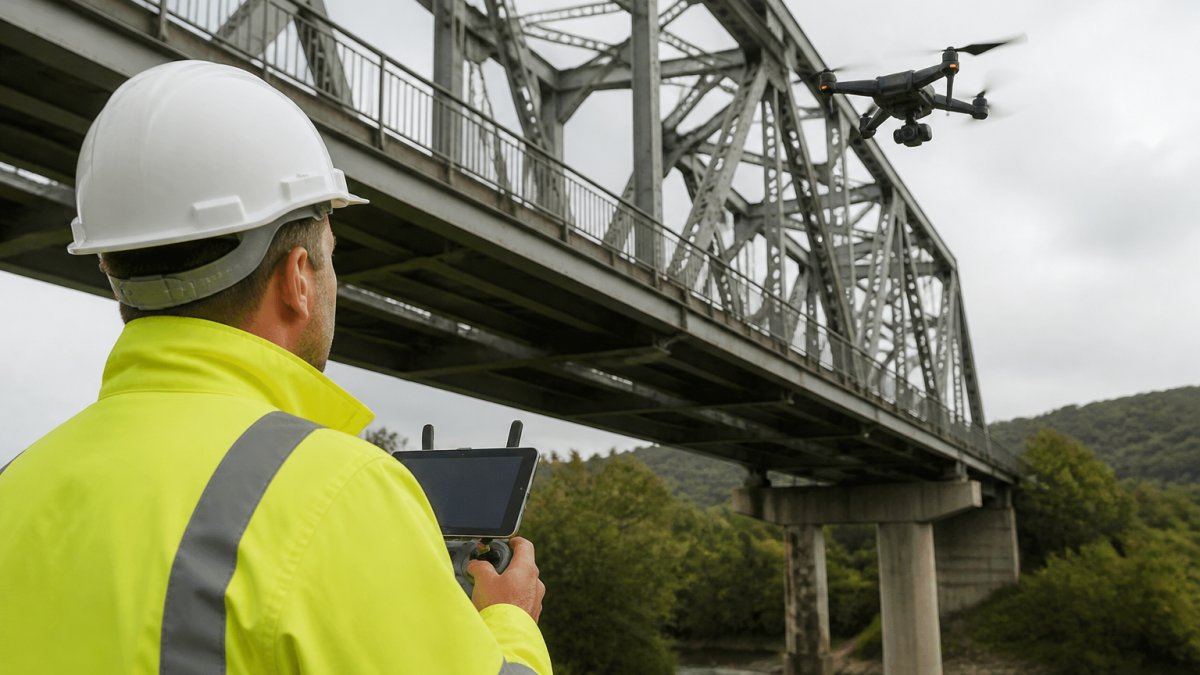
The FAA Part 107 Remote Pilot Certificate is the legal requirement for anyone operating a drone commercially in the United States. You cannot legally fly a UAS for any business purpose, including real estate photography, agricultural surveys, or inspection work, without this certification.
To qualify, you must be at least 16 years old and pass an aeronautical knowledge test covering aircraft performance, weather systems, regulations, airspace restrictions, and emergency procedures.
The certification process requires passing the FAA Knowledge Test with a score of at least 60%. The test covers approximately 60 questions on airspace classification, right-of-way rules, and emergency procedures.
Once you pass, your Remote Pilot Certificate is valid for 24 months. After that, you'll need to renew by passing a recurrent exam or taking an approved recurrent training course. This ensures pilots stay current with regulatory changes and maintain their aeronautical knowledge.
FAA Part 107 regulations and certification requirements
Drone Flight Training for Beginners
Ground School and Aeronautical Knowledge
Ground school builds the theoretical foundation for safe, legal flight. It covers airspace structure, weather effects on performance, local regulations, and decision-making frameworks for unsafe conditions.
Aeronautical knowledge includes understanding wind shear, temperature effects on flight, and visual line-of-sight requirements. You'll learn to read weather reports, interpret airspace charts, and identify restricted areas.
Online ground school programs typically take 20-40 hours and are essential for safe, legal operations.
Hands-On Flight Instruction and Flight Simulation
Flight simulation builds muscle memory without financial risk, teaching aircraft response to control inputs, wind effects, and recovery techniques.
A certified flight instructor provides feedback on pre-flight procedures, control technique, and judgment about safe operating conditions.
Most programs combine simulator time with supervised flights. A typical hands-on program involves 10-20 hours of instruction across multiple sessions.
Best Places to Fly Drones Legally
Flying legally requires understanding federal airspace rules and local ordinances. Most recreational and low-altitude commercial flights occur in Class G (uncontrolled) airspace, but you must verify specific locations are permitted.
Identifying Legal Flying Zones
National Parks, wildlife refuges, and most state parks ban UAS operations. City parks often require permits. Always check with the managing agency before flying.
Private property is your safest option if you have permission from the landowner. Agricultural fields, private airfields, and designated drone parks offer space away from populated areas and typically comply with regulations without requiring special authorization.
Local Flying Clubs and Community Groups
Local hobbyist clubs provide established flying sites in low-population areas, with access to maintained fields, mentorship, and community support.
Search for "drone clubs near me" or check the Academy of Model Aeronautics (AMA) website. Clubs offer local knowledge on regulations and safe flying sites.
Airspace Authorization and LAANC
The FAA's Low Altitude Authorization and Notification Capability (LAANC) system provides real-time automated approval for flights below 400 feet in controlled airspace near airports, eliminating weeks-long manual waiver requests.
LAANC requires a Remote Pilot Certificate and a LAANC-enabled app. The system checks your flight against airport operations and airspace restrictions.
Practical Pre-Flight Checklist for Location Approval
Before flying, verify: (1) airspace status using the FAA's B4UFLY app or LAANC, (2) local permission from Parks and Recreation or property manager, and (3) weather and line-of-sight conditions.
This process prevents most regulatory violations and safety incidents.
FAA B4UFLY app and airspace authorization
Academy of Model Aeronautics club directory
Essential Equipment and Technology
Multirotor vs. Fixed-Wing Drones
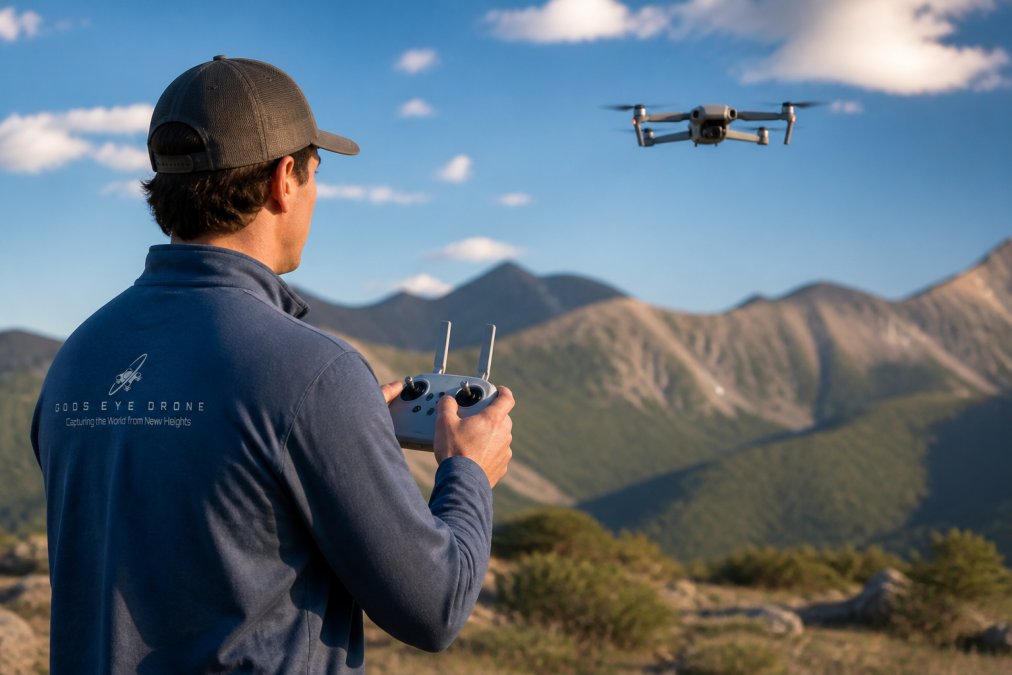
Multirotors dominate the beginner market because they're intuitive, can hover and land vertically, and are ideal for real estate photography and inspections.
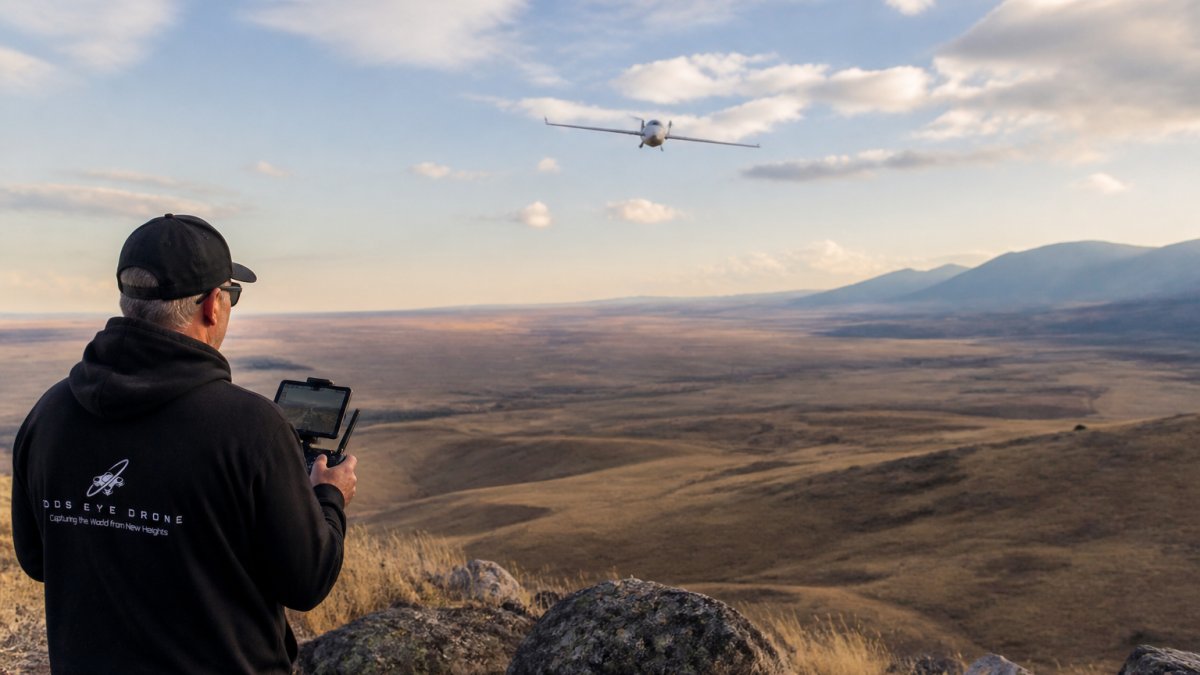
Fixed-wing drones cover large areas efficiently but require more space, can't hover, and demand advanced skills. Most programs start with multirotors.
Real estate, events, and emergency response typically use multirotors; agricultural and infrastructure work often uses fixed-wing platforms.
Rental vs. Purchase: A Practical Framework for Beginners
Beginners must decide whether to buy or rent. The answer depends on timeline, budget, and commitment level.
Renting during training is the smart first move. A typical 4-8 week program costs $200-500 to rent versus $800-1500 to purchase. Rental drones are usually insured, so crashes don't result in total loss. Many flight schools include rental in their package.
Purchase makes sense after you've logged 15-20 hours of supervised flight time. At that point, you understand your flying style, know whether you prefer a particular control feel, and have developed enough skill to minimize crash risk. Buying your own drone also lets you practice between formal lessons, accelerating skill development. A quality entry-level multirotor (in the $400-800 range) will serve you well for both recreational flying and entry-level commercial work.
For commercial pilots, the calculus shifts. If you're building a service business, you'll eventually need multiple drones (one flying while another charges, plus a backup for equipment failure). Many commercial operators purchase two drones within their first year of operation. The ROI becomes positive once you're generating $2000-3000 per month in revenue, which typically happens within 6-12 months of active marketing.
Payload and Sensor Capabilities
The sensor you carry determines what data you collect and what applications you can serve. A high-resolution RGB camera captures detailed still images and video for real estate, events, and general documentation. Thermal sensors detect heat signatures for search and rescue operations, building energy audits, or electrical inspections. Multispectral sensors measure crop health by analyzing light wavelengths invisible to human eyes, enabling precision agriculture applications.
Payload capacity limits what you can carry. A small multirotor might handle a 1-pound camera; larger platforms can carry 5-10 pounds or more. Heavier payloads reduce flight time and require more powerful motors, affecting cost and operating expenses. For example, a drone with a 30-minute flight time carrying a 1-pound camera might only achieve 18-20 minutes of flight time with a 3-pound thermal sensor.
Modern telemetry systems transmit real-time flight data, allowing you to monitor altitude, battery voltage, signal strength, and GPS position. Understanding how to interpret this data keeps you informed about aircraft health and helps you make safe decisions about when to land. Most training programs teach you to recognize warning signs: a dropping voltage reading indicates battery degradation, increasing signal noise suggests you're approaching the edge of radio range, and altitude drift might indicate wind conditions are becoming unsafe.
Building Your Starter Kit Without Overspending
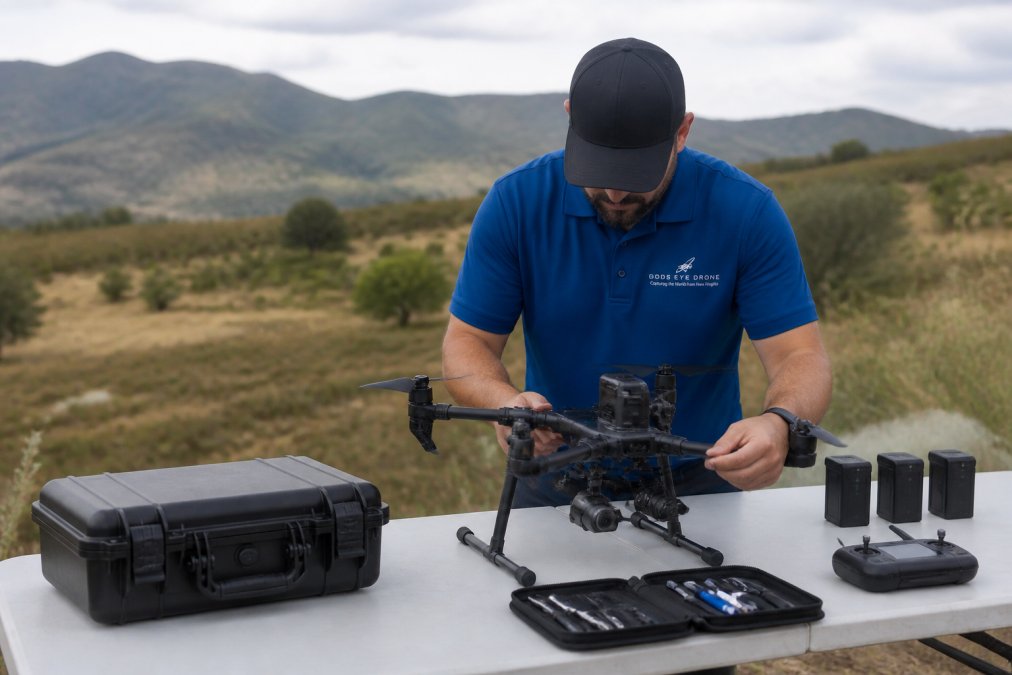
A complete starter kit for training and early practice includes: (1) a training-grade multirotor (rent this initially), (2) spare batteries (critical, most training flights are limited by battery life, not skill), (3) a battery charger and charging hub (allows you to charge multiple batteries simultaneously), (4) propeller guards (protect the aircraft and people nearby during early flights), (5) a flight simulator and controller (practice between real flights), and (6) spare propellers (inevitable crashes will damage props).
If you're purchasing, prioritize batteries and charging infrastructure over a high-end drone. Three spare batteries and a quality charger cost $150-250 and multiply your practice time.
Real-World Applications and Career Paths
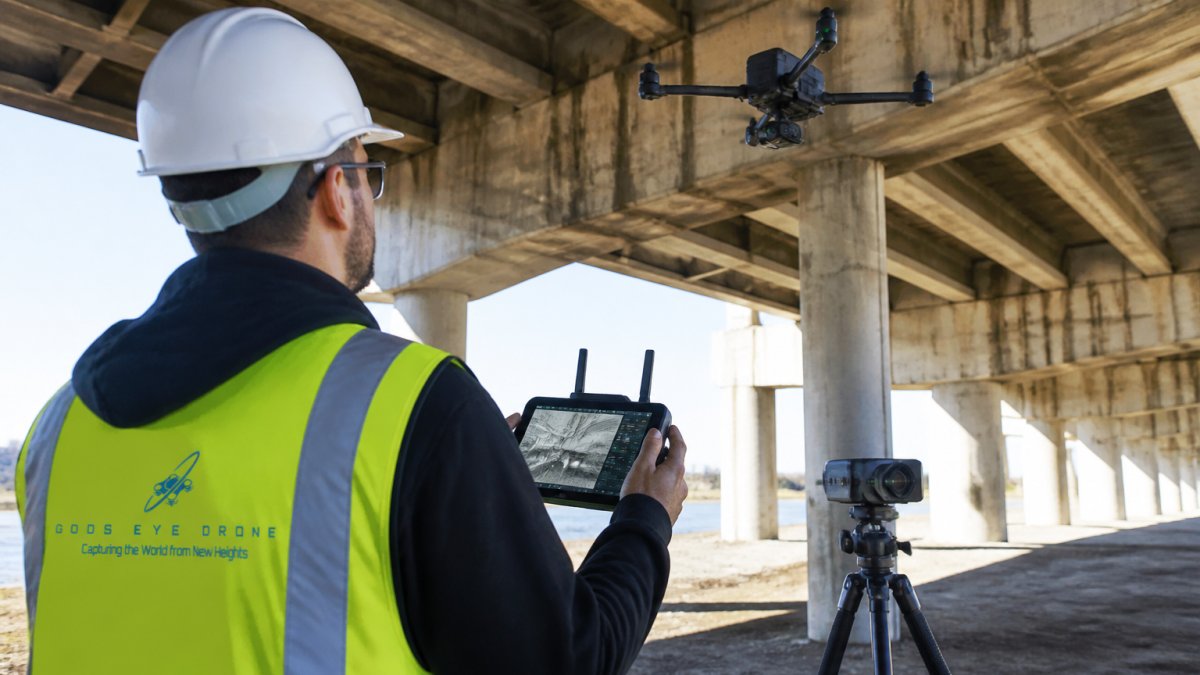
Drone operations have become essential across multiple industries. Real estate agents use aerial photography to showcase properties from angles that ground-level photography can't match. Agricultural managers use multispectral imaging to monitor crop health and optimize irrigation. Construction firms use aerial inspections to track project progress and identify safety hazards. Emergency response teams use thermal imaging and rapid aerial reconnaissance for search and rescue operations.
Getting Started: Your First Steps
Start by assessing your goals. Are you flying for personal enjoyment, or are you preparing for commercial work? This determines whether you need the Remote Pilot Certificate immediately or can begin with recreational flying.
Frequently Asked Questions
What are the FAA Part 107 requirements for commercial drone pilots?
The FAA Part 107 Remote Pilot Certificate requires you to be at least 16 years old, pass an aeronautical knowledge test (the Part 107 exam), and maintain a valid government-issued ID. You must understand airspace authorization, visual line of sight operations, flight safety protocols, and regulatory compliance. The exam covers UAS operations, weather interpretation, and emergency procedures. Once certified, you can operate commercial drones for real estate, agriculture, inspections, and other business purposes.
How much does drone flight training cost?
Training costs vary based on format and depth. Ground school courses range from self-paced online options to structured classroom instruction. Hands-on flight instruction with a certified instructor typically costs more than ground school alone. Many training programs bundle both ground school and flight simulation practice. Pricing depends on the provider, course length, and whether hands-on instruction is included. Contact Gods Eye Drone for current pricing and customized training packages.
Where can I legally practice flying a drone in the metro area?
Legal flying zones include designated recreational drone parks, open fields away from airports, and areas with airspace authorization. Check the FAA's B4UFLY app to verify airspace restrictions before flying. Some locations require airspace authorization through LAANC (Low Altitude Authorization and Notification Capability). Avoid restricted airspace near airports, military installations, and populated areas. Local community drone groups often know safe, legal flying locations and can provide guidance on compliance and best practices.
Do I need a license to fly a drone in Missouri?
For commercial operations, yes, you need an FAA Part 107 Remote Pilot Certificate. For recreational flying, federal regulations require you to register your drone with the FAA and follow recreational flight rules. Missouri does not impose additional state licensing requirements beyond federal FAA regulations. However, local jurisdictions may have ordinances restricting drone flight in certain areas. Always check local regulations and obtain airspace authorization before flying, and maintain compliance with visual line of sight and altitude restrictions.