 listicle
Hiring Professional Drone Pilots for Construction
Table of Contents
- Why Construction Teams Need Professional Drone Pilots
- FAA Part 107 Certified Drone Pilot Requirements
- Construction Drone Service Pricing and Cost Factors
- Drone Pilot Vetting Checklist for Construction Projects
- Aerial Construction Progress Monitoring and Data Deliverables
- Where to Find and Hire Professional Drone Pilots
- Common Mistakes When Hiring Construction Drone Pilots
- Frequently Asked Questions
Last Updated: August 24, 2026
Why Construction Teams Need Professional Drone Pilots
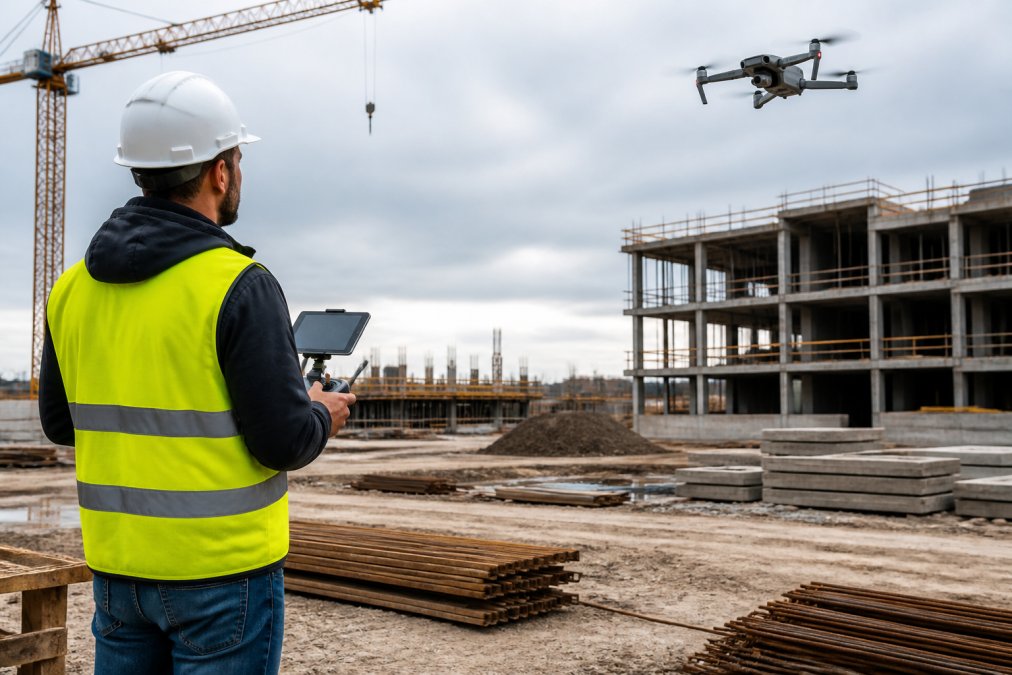
Construction projects live and die by visibility. A site manager juggling 50 contractors, multiple phases, and stakeholder expectations needs real-time clarity on what's happening on the ground. Professional drone pilots deliver a competitive advantage that saves time, prevents costly mistakes, and keeps everyone aligned.
The shift toward drone-based site documentation has accelerated dramatically. Construction teams now expect aerial data as part of standard project management. At Gods Eye Drone, we've worked with project managers who initially viewed drone services as expensive. Within weeks, most realized the operational value: fewer on-site safety risks, faster decision-making, and documented proof of progress for clients and insurers.
Without professional drone pilots, you're stuck with ground-level photos and incomplete site surveys. Professional pilots deliver orthomosaics, 3D models, and actionable data that integrate directly into your project workflow.
FAA Part 107 Certified Drone Pilot Requirements
Any drone pilot operating commercially in the U.S. must hold an FAA Part 107 remote pilot certification (faa.gov). This is federal law. Before you hire anyone, verify their credentials directly with the FAA's Airmen Certification Database.
What Part 107 Certification Means for Your Project
Part 107 certification means the pilot has passed a written exam covering airspace rules, weather, emergency procedures, and operational limitations. The exam tests knowledge of regulations that directly affect your project: altitude restrictions (400 feet above ground level), line-of-sight requirements, no-fly zones near airports, and weather minimums (faa.gov).
A certified pilot understands the legal framework governing their operations. They know which airspace requires special authorization, how to file for waivers if needed, and how to operate safely around obstacles, personnel, and equipment. When you hire a professional drone pilot, ask to see their Part 107 certificate and verify it independently through the FAA's Airmen Certification Database. If they're vague about certification, walk away immediately.
Beyond Certification: Insurance and Liability
Part 107 certification proves competency; insurance proves financial responsibility. A professional drone pilot carrying liability insurance protects both parties if something goes wrong.
Ask every potential pilot for proof of commercial general liability insurance with minimum coverage of $1 million. Most professional drone service providers carry this as standard. Some construction contracts now require proof of drone operator insurance before allowing flights. Verify this with your project's insurance broker and include it in your hiring requirements.
Construction Drone Service Pricing and Cost Factors
Drone service pricing varies based on project scope, location, complexity, and deliverables. Understanding what drives costs helps you get accurate quotes.
What Affects Your Project Cost
Flight duration and site size matter: a quick 15-minute survey of a 5-acre site costs less than a three-hour multi-visit project tracking progress over months. The type of data deliverables you need also shifts costs significantly. A simple photo gallery is cheaper than orthomosaics, 3D models, or BIM integration.
Pilot experience and equipment quality affect pricing. A veteran operator with advanced thermal imaging and RTK drones will charge more than a pilot with basic equipment. Weather conditions matter too: if your site requires multiple flight attempts due to wind or cloud cover, expect higher costs. Remote locations requiring travel time add to the bill. Specialized services like thermal imaging or high-precision RTK mapping command premium pricing.
Getting Accurate Quotes
Request detailed quotes that break down flight time, data processing, deliverable format, and revision rounds. Provide pilots with clear project parameters: site dimensions, number of flights needed, preferred deliverable formats, timeline, and any special requirements. The more specific your brief, the more accurate their quote.
Compare quotes from multiple providers, but don't optimize purely on price. The cheapest option often means less experienced pilots or slower turnaround. Mid-range pricing from established professional operators typically offers the best value for construction projects.
Drone Pilot Vetting Checklist for Construction Projects
Hiring the right pilot makes the difference between usable data and wasted money.
Essential Documentation to Request
Start with credentials. Request proof of FAA Part 107 certification and verify it independently. Ask for commercial general liability insurance documentation showing minimum $1 million coverage. Request their drone registration certificate from the FAA.
Ask about their experience with construction projects specifically. How many construction sites have they worked on? Ask for references from previous construction clients and actually call them. Request information about their equipment and whether they have backup drones in case of equipment failure.
Portfolio and Reference Review
Review their portfolio carefully. Look for projects similar in scope and complexity to yours. Call at least two references and ask specific questions: Did the pilot meet the timeline? Were deliverables in the promised format? How responsive were they to requests? Did the data integrate well with your project management tools?
Ask about their process for handling weather delays or equipment issues. Professional pilots have clear policies and communicate them upfront.
Aerial Construction Progress Monitoring and Data Deliverables
The real value of hiring professional drone pilots emerges once you understand what data they can deliver and how to integrate it into your workflow.
Types of Data Your Drone Pilot Should Deliver
Orthomosaics are stitched aerial images that create a high-resolution map of your site from directly above. These are georeferenced and can be overlaid on surveys or CAD drawings. Perfect for tracking progress and documenting site conditions.
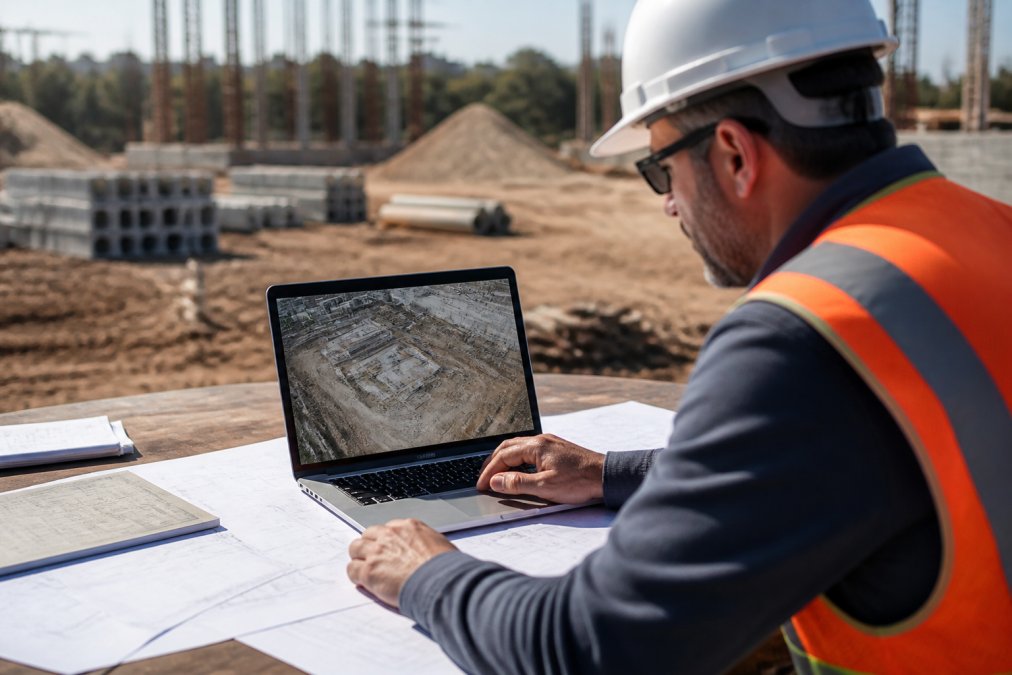
3D point clouds and digital elevation models (DEMs) capture the vertical dimension of your site. A pilot using photogrammetry software processes overlapping photos to create a three-dimensional dataset. You can measure volumes, identify grade changes, and plan earthwork operations with precision.
Thermal imagery shows temperature variations across your site. Useful for detecting water infiltration in roofs, identifying insulation gaps, or monitoring equipment performance. Requires specialized FLIR equipment and trained interpretation.
Time-series documentation captures your site at regular intervals, showing the project evolving. These sequences are powerful for stakeholder communication, insurance documentation, and dispute resolution.
Integration with Your Project Management Workflow
Raw drone data sitting in a folder is wasted potential. Professional pilots should deliver data in formats that integrate with your existing tools. If you use Procore, Touchplan, or another construction management platform, ask whether the pilot can export deliverables in compatible formats.
Ask about data storage and accessibility. Will you receive raw files and processed outputs? Can you access the data through a cloud portal for easy sharing with consultants and stakeholders?
Where to Find and Hire Professional Drone Pilots
Multiple channels exist for finding qualified drone pilots.
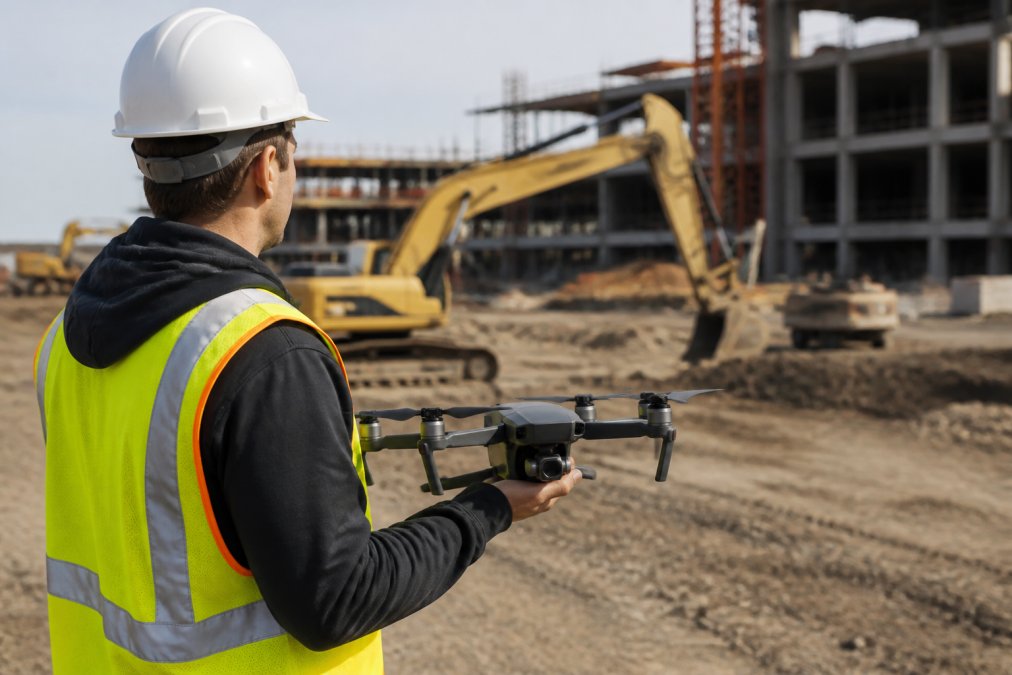
Specialized drone service providers like Gods Eye Drone offer full-service solutions with established workflows, quality control, and accountability. Best for: complex projects, ongoing monitoring, specialized data needs, and when you want a single point of contact.
Pilot marketplaces like DroneBase, Droners.io, and FlyGuys connect you with individual certified pilots in your area. You post your project requirements, review pilot profiles and portfolios, and select based on experience and pricing. Best for: one-off projects, budget-conscious needs, and when you have time to evaluate multiple candidates.
Local aerial photography studios often expand into construction documentation. Search for "aerial photography" or "drone services" in your area and contact studios that mention construction experience.
Referrals from general contractors and construction firms are often your best source. If another contractor you respect has used a drone pilot successfully, that's a strong signal.
Common Mistakes When Hiring Construction Drone Pilots
Learning from others' missteps accelerates your decision-making.
Hiring based on price alone is the fastest way to regret the decision. The cheapest pilot often lacks experience or cuts corners on data processing. Budget for quality; it pays back quickly.
Not verifying Part 107 certification exposes you to legal liability. An uncertified operator flying on your site means you're potentially liable for violations.
Failing to specify deliverables clearly leads to mismatched expectations. Specify format, resolution, processing level, and timeline in writing before any flights.
Assuming all drone data integrates seamlessly with your project management tools is optimistic. Ask upfront whether deliverables will work with your software.
Not requesting insurance proof creates risk. A pilot without liability coverage leaves you exposed if something goes wrong.
Hiring someone without construction experience means you're paying for their learning curve. Prioritize pilots with proven construction project history.
Ignoring communication and responsiveness during the vetting process is a red flag. If a pilot is slow to respond to quotes, expect the same during your project.
Hiring professional drone pilots for construction is a strategic decision that affects project visibility, timeline management, and stakeholder confidence. The right pilot delivers data that transforms how you monitor progress, document conditions, and make decisions. Gods Eye Drone specializes in construction site documentation with certified pilots, advanced FLIR equipment, and proven expertise integrating aerial intelligence into project workflows. When you need precision aerial data that improves your operations, Gods Eye Drone delivers the results that matter. Book a consultation to discuss your project requirements and get a detailed scope of work.
| Hiring Approach | Best For | Typical Timeline | Quality Control |
|---|---|---|---|
| Specialized service provider | Complex projects, ongoing monitoring, integrated data | 1-2 weeks | High, established processes |
| Pilot marketplace | One-off projects, budget-conscious, flexible timing | 2-4 weeks | Variable, depends on pilot selection |
| Local aerial studio | Medium projects, personalized service, local knowledge | 1-3 weeks | Medium, depends on studio experience |
| Contractor referral | Proven reliability, similar project type, trusted source | 1-2 weeks | High, pre-vetted by trusted source |
Frequently Asked Questions
What certifications should a professional construction drone pilot have?
A professional construction drone pilot must hold an FAA Part 107 certification, which requires passing the Remote Pilot Knowledge Test and demonstrating flight proficiency. Beyond Part 107, look for pilots with construction-specific experience, current liability insurance (typically $1 million coverage), and a clean flight log record. Request documentation of all certifications and insurance before hiring.
How much does it cost to hire a professional drone pilot for a construction site?
Pricing for construction drone services depends on project scope, site size, flight complexity, and data deliverables required. Factors include flight duration, number of visits, processing requirements, and software integration needs. For accurate pricing, provide pilots with detailed project specifications: site dimensions, required data types (orthomosaics, 3D models, progress photos), timeline, and any software integration needs. Contact service providers directly for quotes tailored to your specific project.
What data deliverables should I expect from a professional drone pilot?
Professional construction drone pilots should deliver high-resolution still images, video footage, and processed data products such as orthomosaics, 3D point clouds, and digital elevation models. Many provide progress reports with measurements, volume calculations, and design conformance analysis. Confirm what software formats they use and whether outputs integrate with your project management tools or BIM software. Discuss turnaround time for processing and whether they offer cloud-based access to files for team collaboration.
How do I verify a drone pilot's insurance and liability coverage for a construction site?
Request a Certificate of Insurance directly from the pilot or service provider, verifying coverage limits (minimum $1 million general liability), policy dates, and that your project is named as an additional insured. Confirm the policy covers commercial drone operations and construction site work specifically. Do not rely on verbal assurances; always request written documentation before work begins. Your own risk management team or insurance broker can review the certificate to ensure it meets your project requirements.
This article was written using GrandRanker