 comparison
Full Service Drone Companies vs Freelance Marketplaces
Table of Contents
- How Full Service Drone Companies and Freelance Marketplaces Differ
- Drone Services Pricing: Hourly Rates, Project Fees, and What Drives Cost
- FAA Part 107 Certification Benefits: Why Pilot Credentials Matter
- Drone Inspection Data Accuracy: Full Service vs Freelance Output
- Risk, Liability Insurance, and Data Ownership
- Scalability and Turnaround Time for Ongoing Projects
- Vetting Freelancers vs Choosing a Full Service Provider
- Conclusion
- Frequently Asked Questions
Last Updated: September 21, 2026
How Full Service Drone Companies and Freelance Marketplaces Differ
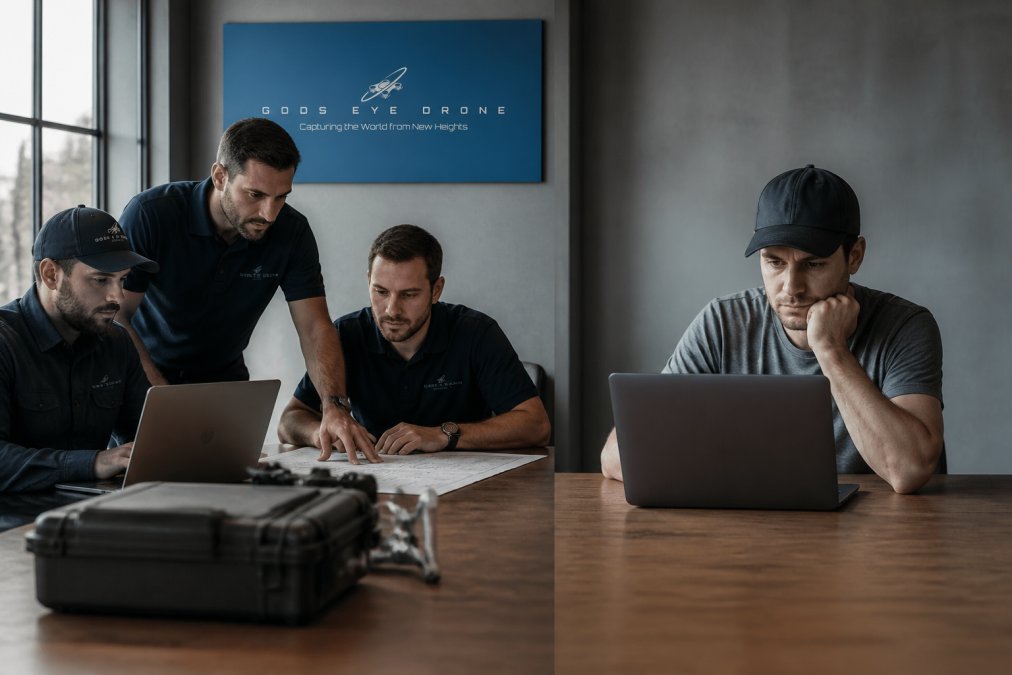
Choosing between full service drone companies vs freelance marketplaces comes down to one question: do you want to manage a pilot, or hire an outcome? A full service drone company owns the entire operation, from flight planning and regulatory compliance to data processing and final deliverables. A freelance marketplace connects you with an individual pilot who bids on your job, flies it, and hands over raw files. That distinction shapes pricing, insurance, data quality, and your own time.
Freelance Marketplaces: Bidding, Flexibility, and Variable Quality
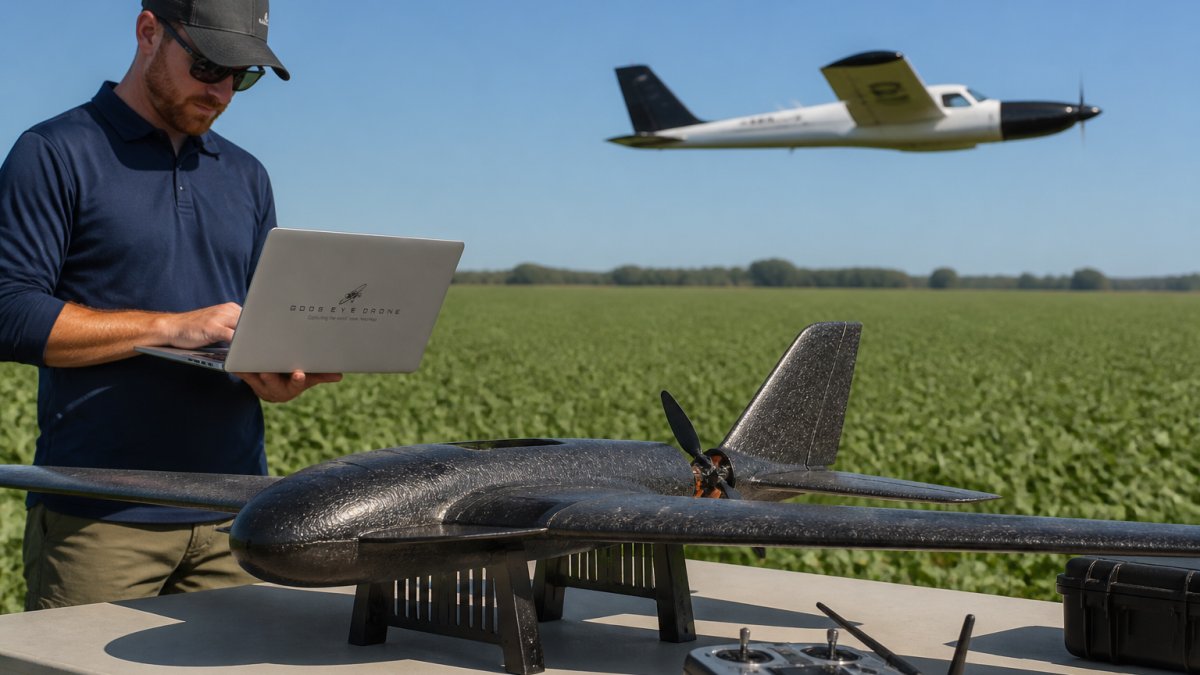
Freelance marketplaces are job boards where you post a scope of work and independent pilots bid on it. Platforms like Droners.io and Upwork operate this way. You get competitive pricing and access to many local styles and equipment, but the trade-off is variance: one pilot delivers crisp, color-graded aerial photography; the next sends shaky footage with no flight log. A verified profile badge does not mean verified output. You are the quality control department.
Full Service Drone Companies: Managed Operations and Accountability
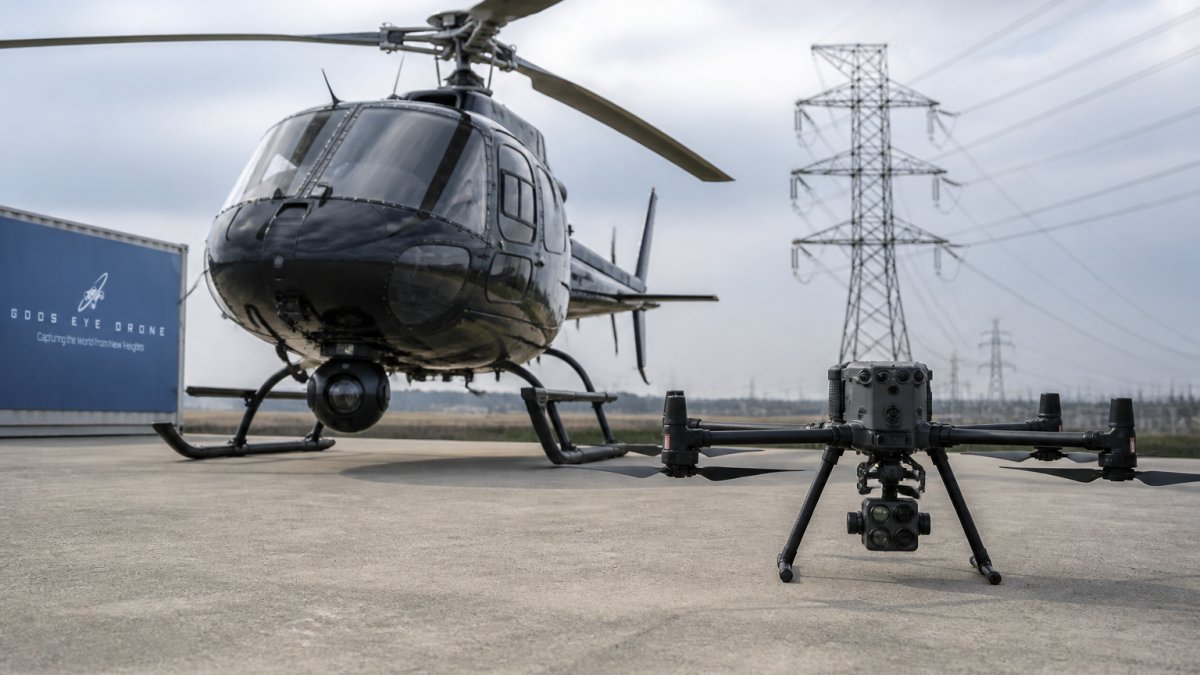
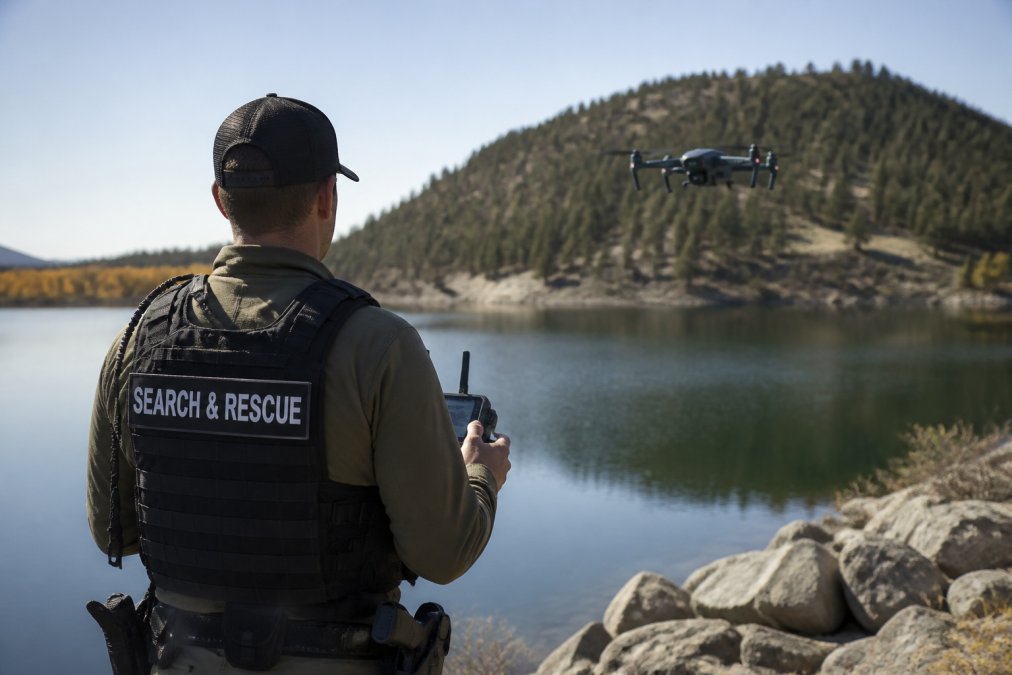
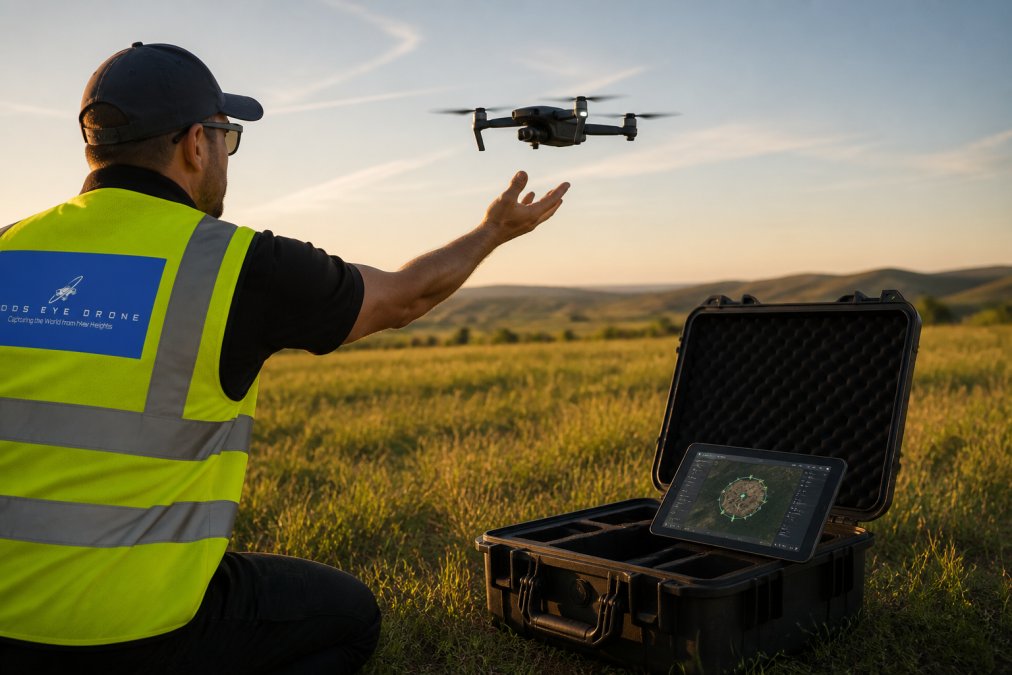
A full service drone company is a turnkey operation: one contract, one point of contact, one standard of delivery. Gods Eye Drone runs on the same model, pairing certified pilots with advanced FLIR equipment for inspections and search and rescue support. The advantage is accountability: if a deliverable misses the mark, you escalate to a company, not a stranger who has already been paid.
| Factor | Freelance Marketplace | Full Service Company |
|---|---|---|
| Pricing model | Bidding, hourly rate | Project-based quote |
| Quality consistency | Varies by pilot | Standardized |
| Insurance and liability | Pilot-dependent | Company-carried |
| Data processing | Usually raw files | Processed deliverables |
| Scalability | Limited | Multi-crew capacity |
| Best for | One-off creative shots | Ongoing, critical work |
Drone Services Pricing: Hourly Rates, Project Fees, and What Drives Cost
Drone services pricing follows two models: hourly rates on freelance marketplaces and project-based fees from full service providers. Freelance pilots often quote per flight or per hour, which looks cheaper on paper.
Because pricing depends on quantity, site access, and delivery timeline, no two projects cost the same. Request a scoped quote rather than anchoring on a headline rate.
FAA Part 107 Certification Benefits: Why Pilot Credentials Matter
FAA Part 107 certification is the legal baseline for commercial drone operations in the United States. Any pilot flying for compensation must hold a Remote Pilot in Command certificate, and the FAA's official Part 107 overview spells out the operating rules: altitude limits, visual line of sight, and airspace authorization.
Drone Inspection Data Accuracy: Full Service vs Freelance Output
Drone inspection data accuracy depends less on the aircraft and more on the process behind it. A full service provider runs standardized flight paths, consistent altitude, and calibrated sensors, then processes the imagery into measurable outputs. A freelancer may fly by eye, producing footage that looks fine but cannot be compared against a previous survey.
Risk, Liability Insurance, and Data Ownership
Liability insurance is where the two models diverge most sharply, not just in who carries a policy, but in who absorbs the loss when something goes wrong.
Insurance: Coverage Limits and What They Actually Cover
A crash over a construction site or crowded event creates exposure well past the value of the drone. Full service companies typically carry commercial general liability (CGL) plus aviation-specific liability, and they name the client as an additional insured on the project. That endorsement means if a claim arises, you can tender it to the operator's insurer rather than defending it under your own policy.
Indemnification and Contractual Risk Transfer
The insurance policy is only half the picture; the other half is the indemnification clause. A well-drafted full service agreement typically includes mutual indemnification: the provider indemnifies you for claims from its operations, and you indemnify the provider for claims from your site conditions or instructions. That clause lets you recover legal costs, not just damages.
Data Ownership and Intellectual Property
Data ownership is the quieter issue, and where the two models produce genuinely different outcomes.
A Practical Contract Checklist
Before you sign either model, confirm in writing:
- The certificate of insurance limits, effective dates, and additional-insured status
- The indemnification clause and which party bears defense costs
- Who owns raw and processed data, and what reuse rights the operator retains
- The deliverable format, resolution, and whether source files are included
- The dispute resolution mechanism and governing law
A full service provider will typically have these answers ready in a standard agreement. A freelancer may not have a written agreement at all, which is itself the answer to the question you are asking.
FAA rules on commercial drone operations
Scalability and Turnaround Time for Ongoing Projects
Scalability is where freelance marketplaces strain. One pilot covers one site in one day, but a portfolio of properties, a multi-phase construction project, or a seasonal agricultural monitoring program needs multiple crews flying to the same standard on the same schedule. A full service company fields that capacity.
Vetting Freelancers vs Choosing a Full Service Provider
Most comparison articles hand you a checklist and stop. The harder question is how to verify what a pilot or agency claims, the step buyers skip, and where freelance marketplaces and full service companies diverge most.
Verifying a Freelance Pilot
Start with the certificate. Every commercial pilot must hold a Remote Pilot in Command certificate under Part 107. The FAA publishes a searchable Airmen Certification database, where you can confirm a certificate number, issue date, and currency in minutes. A pilot who cannot produce a certificate number on request is a non-starter. Recency matters too: Part 107 requires recurrent training every 24 calendar months, so ask when the pilot last completed it.
Verifying a Full Service Provider
The verification burden shifts from the individual to the entity, which is the practical advantage. A full service company should produce, on request:
- A master certificate of insurance showing commercial general liability and aviation-specific coverage, with you named as an additional insured on the project
- The Part 107 certificate numbers for the pilots assigned to your job, not just the company's operations lead
- A sample service agreement that spells out deliverables, timelines, data ownership, and indemnification
- References from two or three clients with scopes comparable to yours
The Vetting Cost Nobody Prices In
Vetting a freelancer takes one to three hours per engagement: certificate lookup, COI review, portfolio review, reference calls, and written scope confirmation. Across ten sites, that is a meaningful labor cost that never appears on the invoice. A full service provider amortizes it across the relationship. For a one-off shoot the overhead is trivial; for recurring work it compounds.
Conclusion
The real tension in full service drone companies vs freelance marketplaces is not price. It is who absorbs the risk, the coordination, and the quality burden. Freelance marketplaces suit one-off creative shots where you can tolerate variance. For inspections, ongoing monitoring, and anything feeding a client or compliance file, a managed provider offers a comprehensive solution. Gods Eye Drone combines certified pilots, advanced FLIR equipment, and full-service project management for real estate, agriculture, construction, and public safety work.
Frequently Asked Questions
What are the risks of hiring a freelance drone pilot versus a full service drone company?
Freelance marketplaces connect you with independent pilots who may carry limited liability coverage or none at all. If a drone crashes into property or a bystander, you could absorb the loss. Full service drone companies typically carry commercial liability insurance and follow documented safety protocols. They also manage FAA Part 107 compliance, flight planning, and data handling, which reduces your operational risk. For critical inspections or public events, the accountability gap alone often justifies the higher cost of a full service provider.
How does drone services pricing compare between full service companies and freelance marketplaces?
Freelance marketplaces usually show lower upfront rates because pilots bid competitively on each job. However, that rate may not include insurance, data processing, or reshoots. Full service companies bundle pilot time, equipment, insurance, editing, and project management into one quote. Pricing depends on project scope, location, and deliverables. A cheap freelance bid can become expensive if the footage is unusable or a second flight is needed. Request itemized quotes from both options before deciding.
Do full service drone companies provide better liability insurance than freelance marketplaces?
Generally, yes. Full service drone companies maintain commercial liability policies that cover the pilot, the equipment, and the client's property. Freelance marketplaces may verify that pilots hold insurance, but coverage limits and policy terms vary widely. Some freelancers operate under hobbyist rules with no commercial policy. If your project involves infrastructure inspection, construction sites, or crowded events, ask for a certificate of insurance before booking. That document confirms the policy is active and shows the coverage amount.
What certifications should I look for in a professional drone service provider?
Look for FAA Part 107 certification, which is required for all commercial drone operations in the United States. Part 107 certified pilots have passed an aeronautical knowledge exam and understand airspace rules, weather minimums, and emergency procedures. Beyond the license, ask about specific experience with your project type, such as thermal imaging for search and rescue or multispectral sensors for agriculture. A full service company should also carry liability insurance and provide a clear scope of work before the flight.