 ultimate-guide
Cost of Professional Drone Photography Services: 2026 Pricing Guide
Table of Contents
- Understanding the Cost of Professional Drone Photography Services
- Why Pricing Varies Significantly Across Providers
- Factors Affecting Drone Photography Pricing
- Hourly Rates for Drone Photography Services
- Real Estate Drone Photography Cost and Packages
- Drone Photography Packages and Flat Project Fees
- Drone Videography Costs and Specialized Services
- FAA Part 107 Certification and Insurance Impact on Cost
- Negotiating Drone Photography Pricing and Getting Better Value
- Frequently Asked Questions
Last Updated: July 25, 2026
Understanding the Cost of Professional Drone Photography Services
Professional drone photography pricing varies based on pilot experience, equipment quality, and project scope. A certified pilot with state-of-the-art thermal imaging equipment operating under FAA Part 107 regulations carries real overhead that a hobbyist doesn't, overhead that translates into reliability, insurance coverage, and results that matter.
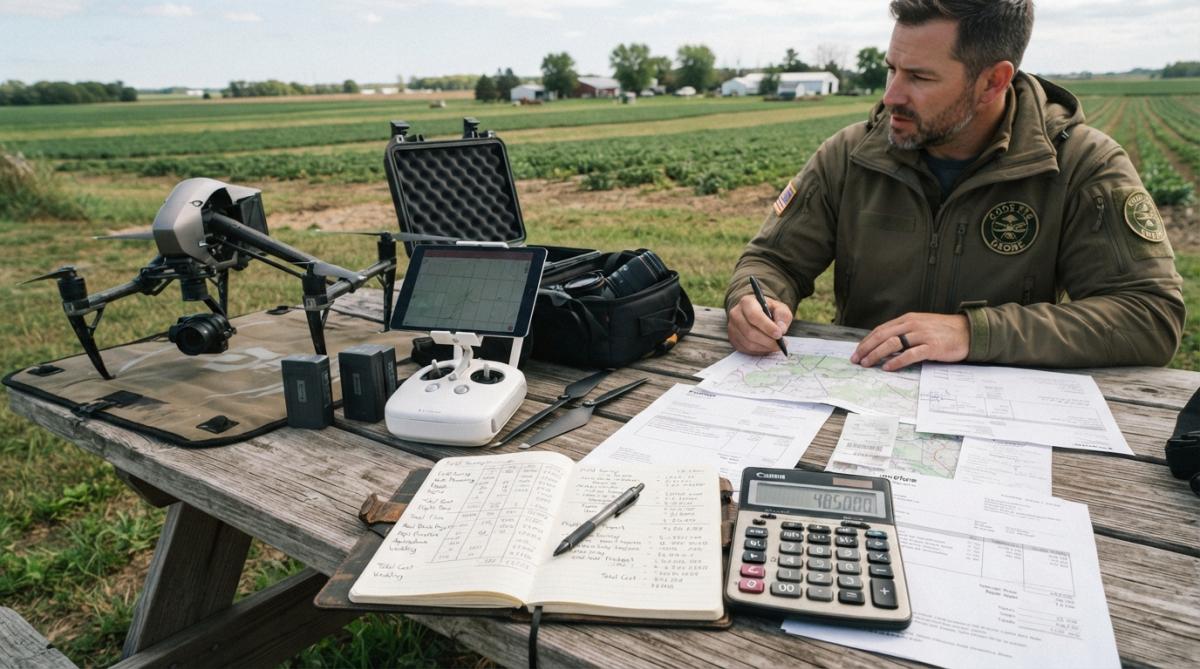
Research from the Federal Aviation Administration's commercial drone regulations shows that professional operations require specific certifications and liability insurance. This guide breaks down what influences drone photography costs, from hourly rates to specialized add-ons, so you can make informed decisions without overpaying or compromising quality.
Why Pricing Varies Significantly Across Providers
A $500 project from one vendor might cost $1,500 from another. The cheaper option isn't always the bad deal, but the differences aren't random.
Pilot certification and experience drive variation. An FAA Part 107 certified commercial pilot carries liability insurance, maintains equipment to professional standards, and understands airspace regulations. A hobbyist with a consumer drone doesn't.
Equipment makes a massive difference. A DJI Mavic 3 with a Zenmuse X7 camera produces dramatically different results than a consumer-grade quadcopter. If your project requires thermal imaging, LiDAR mapping, or 3D modeling, the equipment cost alone justifies premium pricing.
Location logistics, weather conditions, and project complexity also shift costs. A simple 15-minute real estate shoot in clear conditions costs far less than a multi-day infrastructure inspection across challenging terrain.
Factors Affecting Drone Photography Pricing
Pilot Experience and FAA Certification
An FAA Part 107 certificate proves legal authority to operate commercially. Experience proves you won't crash the drone or miss critical shots.
Certified pilots command higher rates because they carry commercial liability insurance, typically $1 million minimum coverage. That insurance protects you if something goes wrong. An uncertified pilot offers no such protection, you become liable if the drone damages property or injures someone.
A pilot's portfolio matters too. Someone with 500+ hours of flight time and a portfolio of similar projects will produce better results than someone with 50 hours.
Equipment Quality and Drone Models
The drone itself determines what's physically possible. A DJI Mavic 3 shoots 4K video and captures 20-megapixel stills. A DJI Inspire 3 with interchangeable lenses offers broadcast-quality cinema. A consumer DJI Mini shoots acceptable footage for social media but lacks the dynamic range for professional work.
Specialized equipment commands premium pricing. Thermal imaging drones with FLIR cameras cost $15,000-$50,000. LiDAR drones for surveying and 3D mapping cost even more.
Project Complexity and Location Logistics
A straightforward real estate shoot costs less than a multi-location infrastructure inspection requiring special permits, complex flight patterns, and hazard avoidance.
Complexity factors include flight time required, airspace restrictions, terrain difficulty, deliverable format, and turnaround time. A pilot flying in an open field with unlimited airspace works efficiently. A pilot navigating around buildings, power lines, and airspace restrictions works slower and charges accordingly.
Environmental and Weather Considerations
Wind, rain, and visibility directly impact whether a shoot can happen and the quality of results. Professional pilots won't fly in conditions that create safety risk or produce poor-quality footage.
Wind is the primary constraint. Most commercial drones operate safely up to 25-35 mph wind speeds. Above that, flight stability suffers. Rain, fog, and low visibility reduce image quality and create safety hazards. Seasonal factors matter too, winter flying in northern climates is slower due to shorter daylight hours.
| Weather Factor | Impact on Cost | Typical Mitigation |
|---|---|---|
| High wind (>25 mph) | Reschedule or cancel | Built into project timeline |
| Rain/fog | Reduced visibility, safety risk | Weather contingency buffer |
| Extreme cold | Reduced battery life | Shorter flight sessions |
| Extreme heat | Battery performance drops | Early morning or evening shoots |
| Limited daylight | Compressed schedule | Seasonal rate adjustments |
Hourly Rates for Drone Photography Services
Many vendors charge by the hour, though hourly rates typically range $150-$300+ based on pilot experience and equipment. An hourly rate usually covers flight time, not total project time. Travel time, setup, equipment checks, and post-processing editing are often billed separately or included in a flat project fee.
Experienced vendors often move away from hourly billing toward project-based pricing because hourly rates create misaligned incentives. If you're quoted an hourly rate, clarify what's included: Is it flight time only? Does it include travel time? How long is the editing process, and is that billed separately?
Real Estate Drone Photography Cost and Packages
Real estate is the largest market for drone photography services, with relatively standardized and competitive pricing.
Residential vs. Commercial Property Pricing
A standard residential drone photography package for a real estate listing runs between $200-$500 and typically includes 30-50 high-resolution aerial photos, a 2-5 minute video tour, and basic color correction.
Commercial properties cost more because they're larger and more complex. A commercial drone photography project runs $500-$2,000+ depending on property size and deliverables. A residential property might be shot in 30 minutes. A 20-acre commercial complex might require 2-3 hours of flying and significantly more editing.
Drone Photography Packages and Flat Project Fees
Most professional drone photographers offer tiered packages rather than hourly billing. This model benefits both vendor and client: the vendor knows the scope upfront, and the client knows the total cost without surprises.
What's Included in Standard Packages
A typical basic package includes aerial photography (30-60 high-resolution images), edited video footage (2-5 minutes), color correction, and standard turnaround (5-7 business days).
A mid-tier package adds extended flight time, more video footage (10+ minutes), advanced color grading, custom music, faster turnaround (2-3 business days), and additional formats (4K video).
A premium package includes full-day availability, unlimited revisions, 3D modeling or orthomosaic maps, thermal imaging, professional editing with motion graphics, next-day turnaround, and cinematic videography techniques.
Add-On Services and Premium Deliverables
Beyond the base package, vendors often offer add-ons:
- Thermal imaging: $300-$800 per project (requires specialized equipment)
- 3D modeling: $400-$1,500 (converts photos into 3D point clouds)
- Orthomosaic maps: $500-$2,000 (precise aerial maps for surveying)
- Rush delivery: 25-50% premium on the base package
- Extended editing: $50-$150 per hour for custom color grading
- Cinematic videography effects: $200-$500 additional
At Gods Eye Drone, we offer advanced FLIR thermal imaging capabilities for infrastructure inspections. Thermal imaging reveals heat loss, electrical faults, and structural issues that standard photography misses, commanding premium pricing because the alternative, hiring a separate thermal inspection company, costs significantly more.
Drone Videography Costs and Specialized Services
Videography costs more than photography because it requires more flight time, complex editing, and higher technical standards.
4K Video, Editing, and Post-Processing Fees
A basic drone video package (2-5 minute edited video, standard color correction) runs $400-$800. A cinematic video with advanced editing, color grading, motion graphics, and custom music runs $1,500-$5,000+.
Raw drone footage requires color correction, color grading, stabilization, transitions, audio, and motion graphics. A 5-minute video might contain 30-50 minutes of raw footage. Editing that down, color grading each clip, syncing audio, and adding graphics takes 8-20 hours depending on complexity. At $75-$150 per hour for professional editing, that time adds up quickly.
4K video costs more than 1080p because it requires more storage, processing power, and careful color grading to look professional.
Thermal Imaging, 3D Modeling, and Inspections
Specialized services command premium pricing because they require specialized equipment and expertise.
Thermal imaging is used for building inspections (heat loss, moisture intrusion), electrical inspections (overheating components), and search and rescue operations. A thermal imaging flight costs $500-$2,000 depending on project size. The equipment alone costs $20,000-$50,000.
3D modeling and photogrammetry convert hundreds of aerial photos into a precise 3D model. This is used for construction progress tracking, site surveying, and volumetric calculations. A 3D modeling project runs $800-$3,000+ depending on area size and complexity.
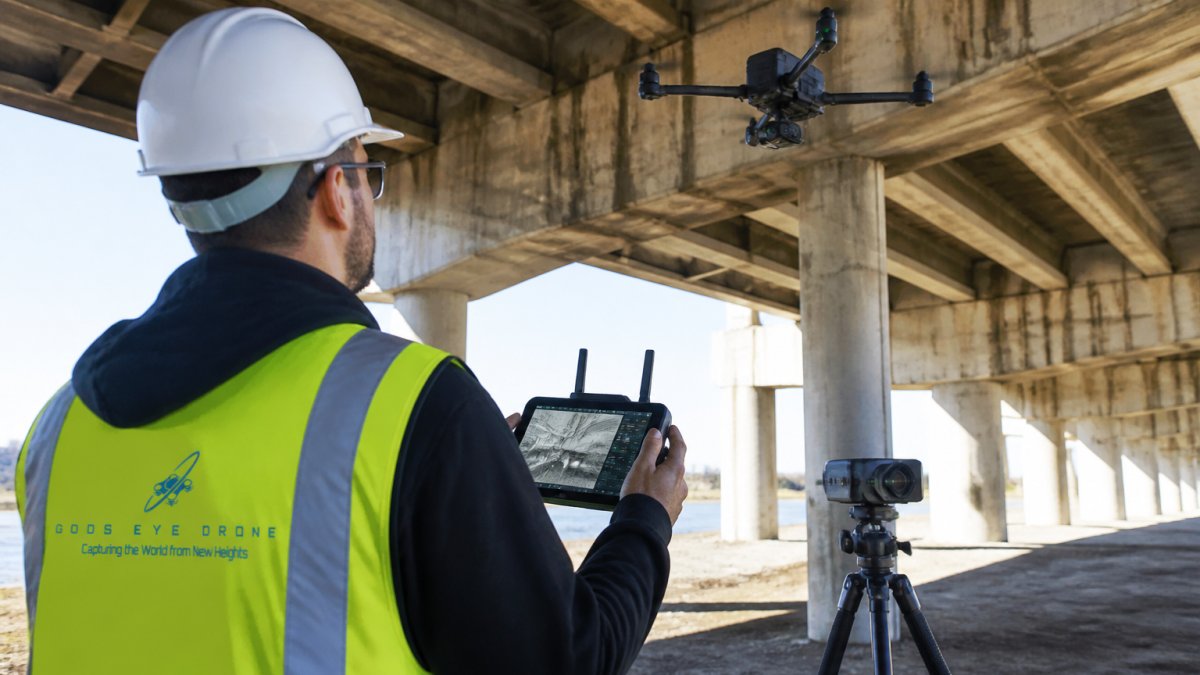
Infrastructure inspections (roofs, power lines, cell towers, bridges) use drone videography to replace dangerous manual inspections. A typical inspection flight runs $500-$2,000 depending on structure size. The pilot must be highly skilled to navigate tight spaces and capture specific angles engineers need.
Search and rescue operations require rapid deployment, specialized equipment, and pilots trained in emergency response. Gods Eye Drone supports search and rescue teams with thermal imaging capabilities that locate missing persons in darkness or low-visibility conditions.
FAA Part 107 Certification and Insurance Impact on Cost
An FAA Part 107 certificate is the legal requirement for commercial drone work in the United States. The cost of maintaining that certification, and the insurance that backs it, directly affects what vendors charge.
Why Certified Pilots Command Premium Rates
The FAA Part 107 certification process requires passing a written exam, demonstrating flight proficiency, and understanding airspace regulations. The exam costs $175, and most people spend $500-$2,000 on study materials and training before passing.
A Part 107 pilot must maintain current knowledge, carry commercial liability insurance ($500-$2,000+ annually), follow strict operational limits, obtain waivers for operations outside standard rules, and document all flights.
An uncertified hobbyist has none of these costs or restrictions, but they're operating illegally if paid for the work and expose clients to massive liability risk. A certified pilot's premium pricing reflects the real cost of legal compliance and professional standards.
Liability Insurance and Risk Management
Commercial liability insurance protects you if the drone causes damage or injury. Standard coverage is $1 million per occurrence, costing $500-$2,000 annually depending on the pilot's experience.
That insurance is non-negotiable for professional work. If a drone malfunctions and damages a building or injures someone, the liability can be catastrophic. Insurance covers those costs. Without it, you and the vendor are personally liable. Ask for proof of insurance before hiring.
Negotiating Drone Photography Pricing and Getting Better Value
Price shopping alone leads to poor decisions. A vendor 30% cheaper than competitors might be cutting corners on equipment, experience, or deliverables. But there are legitimate ways to negotiate better pricing without sacrificing quality.
When to Request Custom Quotes vs. Package Pricing
Standard packages work well for straightforward projects: real estate photos, event coverage, simple videography. For these, package pricing is transparent and fair.
Custom quotes make sense for complex projects: multi-location shoots, specialized equipment, tight deadlines, or unique requirements. When requesting a custom quote, provide project location and size, specific deliverables, timeline, any special equipment required, and airspace or permit requirements. The more detail you provide, the more accurate the quote.
Red Flags and Why Cheap Drone Services Cost More Long-Term
The cheapest option rarely delivers the best results. Uncertified pilots lack training and liability insurance, if something goes wrong, you're liable. Poor equipment produces low-quality footage. Inexperienced pilots miss shots and require multiple reshoot requests. No post-processing means raw footage with minimal editing. Unreliable vendors miss deadlines or disappear if something goes wrong.
The most expensive drone photography service isn't the one with the highest price tag, it's the cheap vendor you have to hire twice because the first attempt was inadequate.
Choosing a drone photography vendor requires balancing cost with quality, experience, and reliability. The cost of professional drone photography services depends on what you actually need: a certified pilot with professional equipment, proper insurance, and proven expertise costs more than a hobbyist, but the results justify the investment. Gods Eye Drone provides veteran-owned, certified drone services with state-of-the-art FLIR thermal imaging equipment for real estate, agriculture, inspections, and search and rescue operations. When you need precise aerial results that matter, professional expertise delivers measurable value. Book a consultation with Gods Eye Drone to discuss your project requirements and get an accurate quote.
Frequently Asked Questions
What factors influence the cost of professional drone photography services?
Drone photography pricing depends on pilot experience and FAA Part 107 certification, equipment quality, project complexity, location logistics, and environmental conditions. Certified pilots with advanced equipment command higher rates due to safety compliance and superior image quality. Project scope, including flight time, editing requirements, and specialized services like thermal imaging or 3D modeling, significantly impacts final cost. Weather delays and permit requirements may add expenses.
How much does real estate drone photography cost on average?
Real estate drone photography pricing varies widely based on property size and location. Residential properties typically range from basic packages to comprehensive aerial packages with video and editing. Commercial properties command higher rates due to increased complexity. Most providers offer tiered packages rather than hourly rates for real estate work. Turnaround time, number of photos/videos included, and post-processing editing affect the final price. Contact providers directly for current pricing tailored to your specific property.
What's the difference between hourly rates and flat project fees for drone photography?
Hourly rates work best for projects with uncertain scope, inspections, surveys, or complex jobs requiring extensive flight time. Flat project fees or packages suit well-defined projects like real estate listings or event coverage, offering predictability and often better value. Packages typically include a set number of photos, video length, and editing. Hourly rates usually range based on pilot experience and equipment, while packages bundle deliverables. Choose packages for standard projects and hourly rates when scope is unclear or highly specialized.
Do drone photographers need FAA Part 107 certification, and does it affect pricing?
Yes, commercial drone photography requires FAA Part 107 certification. Certified pilots have completed required training, passed exams, and maintain liability insurance, all reflected in their rates. Certification ensures legal compliance, safety protocols, and professional accountability. Uncertified operators may quote lower prices but expose you to legal risk and poor quality. Professional providers carry comprehensive liability insurance covering equipment and injury claims. Certification and insurance are non-negotiable for commercial work and justify premium pricing over unlicensed alternatives.
What happens if weather prevents my drone photography shoot?
Most professional drone photographers have weather contingency policies. Reputable providers will reschedule at no additional cost if conditions are unsafe, high winds, heavy rain, or poor visibility make flying impossible or dangerous. Some charge a small fee for rescheduling if you cancel within a short timeframe. Confirm the reschedule policy before booking. Professional pilots prioritize safety over completing shoots in marginal conditions. Always ask about weather guarantees and rescheduling terms when requesting quotes to avoid unexpected costs or disputes.
This article was written using GrandRanker