 listicle
Benefits of Drone Pilot Networks for Enterprise
Table of Contents
- Why Enterprises Turn to Drone Pilot Networks
- Scaling Drone Operations Efficiently Without In-House Teams
- Enterprise Drone Operations Management: Simplifying Compliance and Logistics
- FAA Part 107 Pilot Requirements and Network Vetting Standards
- Drone Data Security Best Practices in Network Operations
- Cost Reduction and ROI: The Financial Case for Pilot Networks
- Industries Gaining the Most from Drone Pilot Networks
- Conclusion
- Frequently Asked Questions
Last Updated: August 22, 2026
Why Enterprises Turn to Drone Pilot Networks
Enterprises face a persistent problem: they need aerial data and intelligence, but building an in-house drone program is expensive, complex, and slow. Hiring certified pilots, managing regulatory compliance, maintaining equipment, and handling insurance creates friction that delays projects and inflates budgets.
The benefits of drone pilot networks for enterprise solve this problem by outsourcing the entire operational burden to a vetted, scalable service provider. Instead of managing pilots and equipment yourself, you tap into a distributed network of certified professionals who handle everything from FAA compliance to data delivery.
At Gods Eye Drone, we've worked with enterprises across real estate, agriculture, construction, and emergency response. What we've consistently seen is that organizations using benefits of drone pilot networks for enterprise complete projects faster, reduce overhead, and access expertise they couldn't afford to hire full-time. A pilot network isn't just a vendor, it's operational use.
The core advantage is straightforward: you get professional aerial intelligence on demand without the fixed costs and complexity of an internal program. No hiring, no equipment depreciation, no compliance headaches. You call when you need it. The network handles the rest.
Scaling Drone Operations Efficiently Without In-House Teams
Building a drone program in-house requires hiring certified remote pilot in command staff, purchasing and maintaining aircraft, managing fleet operations, and staying current with evolving FAA regulations. For most enterprises, that's not a realistic path. The capital outlay is substantial. The expertise is hard to find. The ongoing compliance burden never stops.
A pilot network flips this model. You scale operations without scaling headcount. When you need five drone flights across three cities next month, you don't hire five pilots. You submit requests to the network. Certified professionals execute the missions. You get the data.
This approach is particularly valuable for enterprises with variable demand. A construction company might need aerial progress monitoring every two weeks during active phases, then nothing for months. An insurance adjuster might need thermal imaging for three claims one week and zero the next. Staffing for peak demand means paying idle pilots during slow periods. A network model means you pay only for the flights you actually need.

Remote pilot in command certification and ongoing training requirements demand constant attention (faa.gov). Regulations change. Equipment evolves. Waivers expire. A pilot network handles this complexity. Every pilot in the network maintains current credentials. Compliance is built into the service model, not your problem to manage.
The operational efficiency gain is substantial. Instead of coordinating with your own pilots, managing schedules, troubleshooting equipment failures, and handling post-flight data processing, you work with a single point of contact. The network manages all the logistics. You focus on using the data to make decisions.
Enterprise Drone Operations Management: Simplifying Compliance and Logistics
FAA regulations governing commercial drone operations create a compliance maze that most enterprises can't navigate alone. Part 107 certification requirements, airspace authorization rules, waiver applications, and operational restrictions vary by location and mission type. A single mistake can ground your project or expose your organization to regulatory action.
When you use a benefits of drone pilot networks for enterprise, compliance becomes the network's responsibility. Every pilot in the network holds current Part 107 certification. The network maintains relationships with FAA offices, manages waiver applications for beyond-visual-line-of-sight operations, and handles airspace authorization through LAANC systems. You don't need to understand the regulatory framework, the network does.
Logistics coordination across multiple locations compounds the complexity. A large enterprise might need aerial inspections at ten different sites in a single region. Scheduling pilots, ensuring equipment arrives on time, coordinating with site managers, and collecting data from multiple locations requires operational discipline. A pilot network handles this coordination. You provide the mission requirements. The network executes across all locations and consolidates results.
Data security and chain-of-custody management become critical when drone operations involve sensitive infrastructure, proprietary processes, or confidential client information. A professional pilot network maintains security protocols, handles data encryption, and provides audit trails. This protects your data and demonstrates due diligence to clients or regulators who scrutinize how you handle sensitive information.
FAA Part 107 Pilot Requirements and Network Vetting Standards
Every professional drone pilot operating commercially must hold a Part 107 remote pilot certificate issued by the FAA (faa.gov). This certification requires passing a knowledge test, demonstrating aeronautical knowledge, and maintaining current credentials. It's not optional. It's the legal foundation for commercial drone operations.
When selecting a benefits of drone pilot networks for enterprise, verify that every pilot in the network holds active Part 107 certification. This is non-negotiable. Ask the network for proof of certification status. Reputable networks maintain public registries or provide verification upon request.
Beyond certification, professional networks implement vetting standards that go deeper than the FAA minimum. Background checks, insurance verification, equipment audits, and performance reviews create a second layer of quality control. A pilot with a current Part 107 certificate might be legally qualified to operate. A pilot who's passed rigorous network vetting is also operationally reliable.
Insurance and liability management are inseparable from pilot vetting. A professional pilot network requires every pilot to carry adequate commercial general liability insurance. This protects your organization if an accident occurs. Verify insurance coverage limits with the network before engaging services. Most enterprises require minimum coverage of $1 million for commercial drone operations.
Experience and specialization matter. Some pilots excel at aerial photography for real estate. Others specialize in infrastructure inspection or thermal imaging for emergency response. A well-structured pilot network maintains profiles of pilot expertise, certifications, and equipment capabilities. When you submit a mission request, the network matches you with pilots whose skills fit your specific needs.
Drone Data Security Best Practices in Network Operations
Drone operations generate sensitive data: high-resolution imagery of infrastructure, thermal data from inspections, multispectral crop monitoring information, or thermal imaging from emergency response operations. This data can reveal proprietary processes, identify vulnerabilities, or expose personal information. Security isn't optional.
A professional pilot network implements data security protocols at every stage. During flight, encrypted communications between the drone and ground control prevent signal interception. After landing, data transfer uses secure channels. Storage is encrypted. Access is logged. Audit trails document who accessed what and when.
When evaluating a benefits of drone pilot networks for enterprise, ask specific questions about data handling: How is data encrypted in transit? Where is data stored? Who has access? How long is data retained? What happens to data after project completion? Vague answers are a red flag.
Data privacy compliance adds another layer. If your drone operations involve any personal information, faces in thermal imagery, license plates visible in aerial photography, or location data tied to individuals, your network must comply with privacy regulations. GDPR applies if your operations involve European data (europa.eu). State privacy laws apply depending on your location. The network should document how they handle privacy-sensitive data.
Cost Reduction and ROI: The Financial Case for Pilot Networks
The financial case for drone pilot networks rests on a simple principle: you pay for services rendered, not for idle capacity. An in-house drone program carries fixed costs regardless of use. Pilot salaries, equipment maintenance, insurance premiums, and compliance overhead continue whether you fly once a month or five times a week. A pilot network model converts these fixed costs to variable costs.
For enterprises with episodic demand, construction companies needing progress monitoring during active phases, insurance adjusters handling seasonal claim spikes, or emergency responders deploying drones only during incidents, the financial advantage is clear. You don't pay for pilots when you don't need flights.
Overhead reduction extends beyond pilot salaries. You eliminate equipment depreciation. You avoid the costs of maintaining multiple drones, batteries, chargers, and specialized sensors. You skip the expense of ongoing pilot training and certification renewal. These costs disappear when you outsource to a network.
Project turnaround time often improves with a pilot network. When you need an aerial inspection, you don't schedule around your pilots' availability. You request a mission and the network finds available pilots in your area. For time-sensitive projects, emergency response, disaster assessment, or time-critical real estate marketing, faster turnaround translates to competitive advantage.
Quality control becomes more predictable. A professional network maintains standardized reporting, data formats, and delivery timelines. You know what to expect. You can plan downstream processes around reliable deliverables. This consistency reduces rework and delays that plague ad-hoc arrangements with individual pilots.
Industries Gaining the Most from Drone Pilot Networks
Real estate marketing teams use aerial photography and videography to showcase properties in ways that ground-level photography cannot. A drone pilot network provides immediate access to certified pilots who deliver high-quality imagery for listings. Instead of booking individual pilots and managing relationships, real estate companies submit property addresses and receive professional aerial content on a predictable timeline.
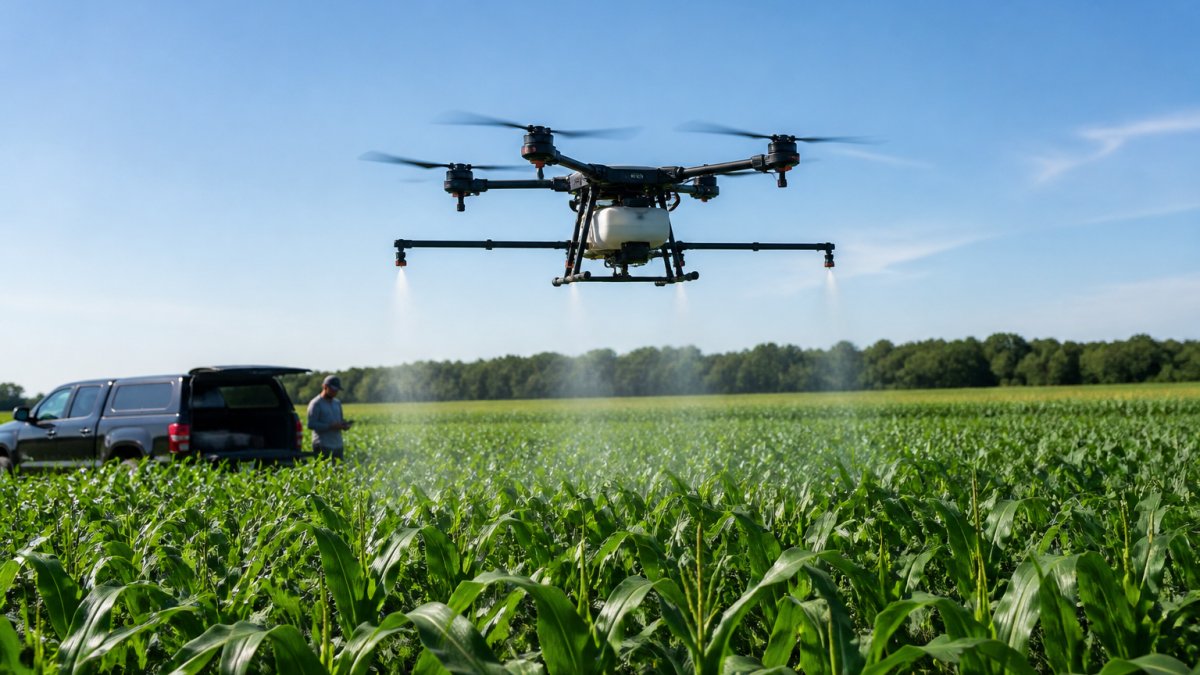
Agricultural operations rely on multispectral crop monitoring and irrigation analysis. Drones equipped with specialized sensors collect data across growing seasons. A pilot network with agricultural expertise provides consistent data collection, point cloud generation, and analysis that informs irrigation decisions, identifies pest or disease issues early, and optimizes fertilizer application. The geographic reach of a pilot network means consistent monitoring across multiple fields or regions.
Construction project management benefits from regular aerial progress monitoring. Drones capture site conditions at regular intervals, generating orthomosaics and 3D models that track progress, identify delays, and document work completion. A pilot network ensures consistent documentation throughout project phases without depending on a single pilot's availability.
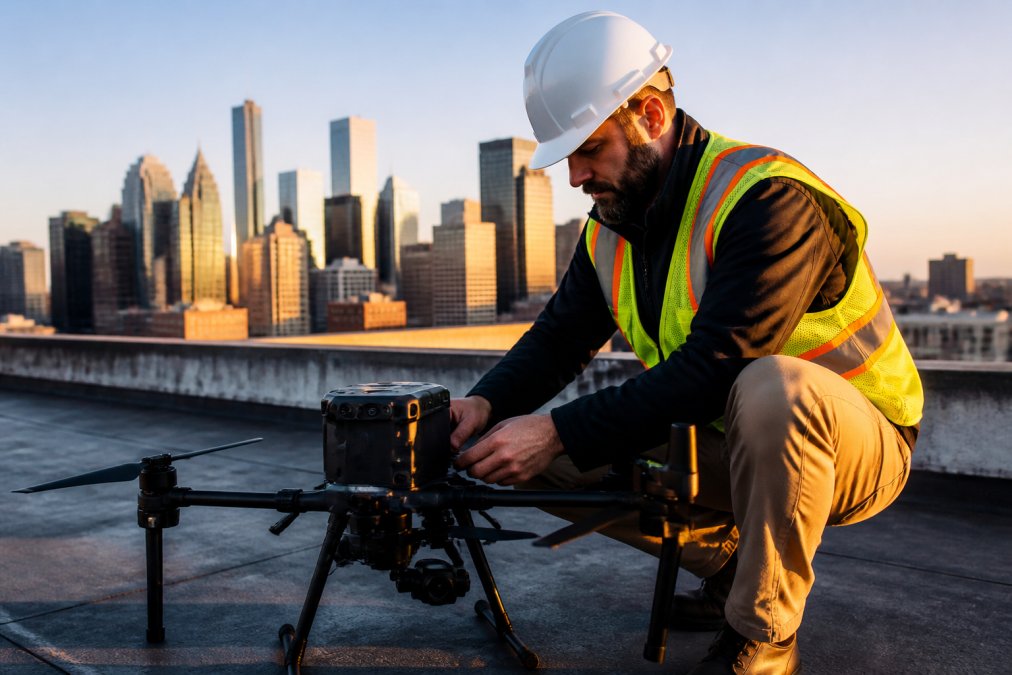
Infrastructure inspection across utilities, telecommunications, and energy sectors relies on specialized equipment like thermal imaging and high-resolution cameras. A pilot network with infrastructure expertise provides consistent inspection protocols, standardized reporting, and access to pilots trained in high-risk operations. This is particularly valuable for enterprises managing distributed assets across multiple geographic regions.
Emergency response and search and rescue operations demand rapid deployment. When a search and rescue team needs aerial situational awareness or thermal imaging to locate missing persons, response time matters. A pilot network with emergency response training provides immediate access to equipped pilots who understand the operational constraints and can deliver intelligence quickly.
Public safety agencies use drone pilot networks for disaster assessment, emergency scene documentation, and tactical support. The geographic reach of a network ensures local pilot availability during emergencies when time is critical and external resources may be unavailable.
Conclusion
The benefits of drone pilot networks for enterprise are fundamentally about operational use. You gain access to professional aerial intelligence, regulatory expertise, and scalable capacity without building and maintaining an internal program. Gods Eye Drone delivers exactly this value for enterprises across real estate, agriculture, construction, emergency response, and specialized inspections. Our certified pilots, state-of-the-art technology including advanced FLIR equipment, and proven track record with search and rescue operations mean you get precise results on demand. Rather than managing pilots and equipment yourself, you focus on using aerial data to make better decisions. Book Now to discuss how a professional pilot network can simplify your drone operations and reduce overhead.
Frequently Asked Questions
How do drone pilot networks ensure regulatory compliance for enterprise projects?
Reputable drone pilot networks employ certified pilots who hold FAA Part 107 certifications and maintain current knowledge of airspace regulations. Networks maintain detailed records of airspace authorizations, coordinate with LAANC systems for airspace access, and ensure pilots carry appropriate liability insurance. Many networks also provide clients with compliance documentation, flight logs, and regulatory updates specific to their project location and scope.
What are the cost-saving benefits of using a drone pilot network versus hiring in-house?
Drone pilot networks eliminate capital costs for equipment, training, and certification. Enterprises avoid ongoing pilot salaries, benefits, and idle-time expenses when work fluctuates seasonally. Networks provide on-demand access to specialized equipment and expertise without long-term commitments. This flexibility allows companies to scale operations based on actual project demand, reducing overhead and improving project margins significantly.
How does a drone pilot network handle data security and privacy for enterprise clients?
Professional networks implement enterprise-grade security protocols including encrypted data transmission, secure storage facilities, and strict access controls. They maintain confidentiality agreements, provide data ownership documentation, and often offer on-premises processing options for sensitive projects. Networks should provide clear SLAs defining data retention, deletion procedures, and compliance with relevant industry standards for your sector.
What types of enterprises benefit most from drone pilot networks?
Real estate, construction, agriculture, insurance, energy, and infrastructure sectors gain substantial value. Real estate agents and developers use networks for property marketing and site monitoring. Construction firms leverage aerial inspections for progress tracking and safety oversight. Agricultural operations utilize multispectral analysis for crop health and irrigation planning. Insurance companies use networks for damage assessment and risk evaluation. Energy and utility companies conduct infrastructure inspections and maintenance planning.
This article was written using GrandRanker