 ultimate-guide
Drone Pilot Insurance & Liability Requirements: 2026 Guide
Table of Contents
- What Is Drone Pilot Insurance and Why It Matters
- Is Drone Insurance Legally Required by the FAA?
- FAA Part 107 Insurance Requirements for Commercial Operations
- Types of Drone Coverage: Liability vs. Hull Insurance
- Commercial Drone Insurance Cost and Pricing Factors
- How to Choose the Right Drone Insurance Policy
- Obtaining Your Certificate of Insurance and Compliance
- Conclusion
- Frequently Asked Questions
Last Updated: August 8, 2026
What Is Drone Pilot Insurance and Why It Matters
Drone pilot insurance is a specialized coverage policy that protects aerial operators and their businesses from liability claims, property damage, and operational risks. For commercial drone operators, this insurance serves as both a financial safeguard and a professional credential that demonstrates competence to clients and regulators.
The stakes are real. A single incident, whether a drone malfunction causes property damage, bodily injury occurs during operations, or equipment is lost, can expose a pilot to lawsuits, regulatory penalties, and business-ending financial liability. Many businesses discover too late that standard business insurance doesn't cover unmanned aircraft operations. That's where drone pilot insurance steps in.
Gods Eye Drone understands this landscape intimately. As a veteran-owned operation conducting high-stakes aerial work for real estate, agriculture, construction, and emergency response, we've built our operations around proper risk management. Insurance isn't just compliance for us, it's foundational to delivering results safely and maintaining client trust.
There are two primary reasons to carry drone pilot insurance. First, regulatory bodies like the FAA increasingly expect it for commercial operations. Second, clients, especially in real estate, construction, and public safety, now routinely request proof of coverage before hiring. A certificate of insurance has become as standard as a pilot's Part 107 certification.
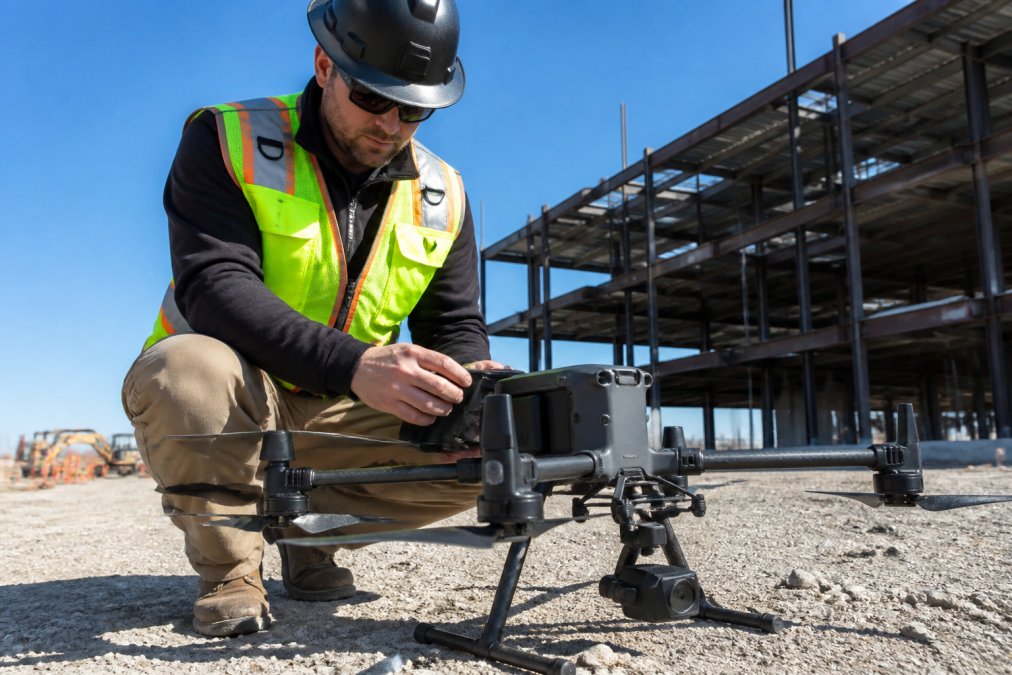
The cost of not having insurance far exceeds the premium. A single property damage claim can easily reach tens of thousands of dollars. Medical claims from bodily injury incidents climb higher. Equipment loss on a high-value mission compounds the problem. Insurance transforms these catastrophic scenarios into manageable, covered losses.
Is Drone Insurance Legally Required by the FAA?
No federal law mandates drone pilot insurance as an absolute requirement. The FAA does not explicitly require commercial drone operators to carry liability coverage. However, this doesn't mean insurance is optional, it's practically mandatory in the commercial sector.
The distinction matters. The FAA's Part 107 regulations govern commercial drone operations but do not specify insurance requirements. What they do require is that operators maintain control of their aircraft and prevent harm to people and property. When an incident occurs, the FAA investigates whether the operator was negligent. Insurance protects you if that investigation leads to liability claims.
Many states and municipalities have begun filling this gap. Some jurisdictions now require proof of insurance for drone permits or operational approvals. Local governments overseeing airspace for public events, infrastructure inspections, or emergency response often demand certificates of insurance before allowing operations.
The real pressure comes from clients. Real estate agents, construction firms, agricultural operations, and public safety agencies increasingly require vendors to carry drone insurance. They're protecting themselves by ensuring their contractors have proper coverage. Showing up without insurance means losing the contract, regardless of what federal law says.
Third-party liability claims represent the greatest exposure. If your drone damages someone's property or causes injury, the affected party can sue you directly. Your personal homeowner's or business insurance almost certainly excludes unmanned aircraft. Insurance exists specifically to cover these gaps.
FAA Part 107 Insurance Requirements for Commercial Operations
FAA Part 107 regulations establish the framework for commercial drone operations but remain silent on insurance mandates. What Part 107 does require is that remote pilots maintain operational control, follow airspace rules, and avoid endangering people or property.
The regulatory connection to insurance is indirect but critical. Part 107 demands that operators conduct risk assessments before every flight. This assessment process naturally leads to insurance, because identifying risks means acknowledging exposure, and acknowledging exposure means securing coverage.
Part 107 also requires pilots to maintain a current airman certificate and understand the rules of the National Airspace System. Insurance companies increasingly ask about Part 107 compliance during underwriting. They want to know that the pilot has formal training, passes the knowledge test, and understands regulatory boundaries. A certified Part 107 pilot typically qualifies for better rates and broader coverage than an uncertified operator.
For commercial operations, the practical standard has become clear: carry insurance or don't work commercially. Major clients, construction firms, real estate brokerages, agricultural operations, and government agencies, all request proof of coverage. The FAA may not mandate it, but the market does.
Insurance underwriters are familiar with Part 107 operations. They understand the risk profile of a trained, certified pilot flying under established rules. This familiarity translates into more competitive premiums and clearer coverage terms.
Types of Drone Coverage: Liability vs. Hull Insurance
Drone insurance policies typically combine two distinct types of coverage: third-party liability and hull (equipment) coverage.
Third-party liability coverage protects you when your drone causes injury or property damage to someone else. If your aircraft strikes a building, damages a vehicle, or injures a person, liability insurance covers the legal defense and any resulting settlement or judgment. This is the most critical coverage for commercial operators. Most clients require proof of liability coverage before hiring.
Liability policies specify coverage limits, commonly ranging from basic coverage for small operations to comprehensive limits for high-risk work. The limit you choose should reflect the potential exposure of your operations. A real estate photographer working over residential neighborhoods faces different risks than a construction inspector examining industrial infrastructure.
Hull coverage (also called equipment or comprehensive coverage) protects your drone itself. If the aircraft is damaged, lost, or destroyed during operations, hull insurance reimburses the repair or replacement cost. This coverage is optional but valuable if you operate expensive equipment. A high-end commercial drone can cost tens of thousands of dollars. Losing it to a malfunction or accident without insurance creates immediate financial pressure.
Hull policies typically include a deductible, the amount you pay out-of-pocket before insurance covers the loss. Higher deductibles lower your premium but increase your risk. Many operators choose deductibles that match their cash reserves.
Some policies bundle both coverages into a single premium. Others allow you to purchase liability alone or add hull coverage as an optional rider. The combination you choose depends on your equipment value, client requirements, and operational risk.
Payload coverage is a third option for specialized work. If your drone carries sensors, cameras, or thermal imaging equipment, payload coverage protects that gear separately from the aircraft itself. Gods Eye Drone's advanced FLIR thermal equipment, for example, represents significant value. Payload coverage ensures that investment is protected.
Commercial Drone Insurance Cost and Pricing Factors
Insurance premiums depend on multiple factors specific to your operation. There is no single "standard" price because every operation presents different risks.
The primary factors affecting cost include flight hours, operational area, aircraft type and value, pilot certification level, and claims history. A pilot with 500 flight hours and a clean record pays less than a new operator with minimal experience. A drone operated exclusively in controlled airspace over private property costs less to insure than one flying near airports or populated areas.
Insurance companies also consider the type of work. Real estate photography, typically short flights over properties in daylight, presents lower risk than infrastructure inspection involving extended flights over critical assets or search and rescue operations in variable conditions.
Your coverage limits directly affect premium. Higher liability limits cost more. Adding hull coverage increases the premium. Choosing a lower deductible raises your cost.
To get accurate pricing, contact insurance providers directly with specific information about your operation: aircraft type and value, typical flight hours per month, airspace you operate in, type of work performed, and your Part 107 certification status. Most insurers provide quotes within days.
Many operators find that commercial drone insurance is surprisingly affordable, often less than $500 annually for basic liability coverage. This modest investment protects against exposure that could reach hundreds of thousands of dollars.
How to Choose the Right Drone Insurance Policy
Selecting the right policy requires matching coverage to your actual operational needs and client requirements. Start by identifying what coverage your clients demand.
Real estate agents typically require proof of liability coverage but rarely ask for hull insurance. Construction firms and public agencies often specify minimum liability limits, commonly $1 million. Agricultural operations may request coverage that includes payload protection if you're carrying multispectral sensors or thermal equipment.
Next, assess your equipment value. If you operate a single consumer-grade drone worth a few thousand dollars, hull coverage may not justify the cost. If you've invested in professional-grade equipment worth $15,000 or more, hull coverage becomes economically sensible.
Consider your flight hours and frequency. Occasional operators might qualify for on-demand coverage, policies you activate only when needed. Full-time commercial operators benefit from annual policies that provide continuous coverage.
Review policy exclusions carefully. Some policies exclude certain types of operations, night flights, operations near airports, or flights over water. If your work includes excluded activities, find a policy that covers them or adjust your operations.
Compare liability limits across policies. A $1 million policy is standard for most commercial work, but some operations warrant higher limits. A $2 million policy costs more but provides additional protection for high-value projects or operations near populated areas.
Verify that the policy covers the specific work you perform. Thermal imaging for search and rescue, multispectral analysis for agriculture, and infrastructure inspection all present different risk profiles. Some insurers specialize in certain types of operations and offer better rates for that work.
Obtaining Your Certificate of Insurance and Compliance
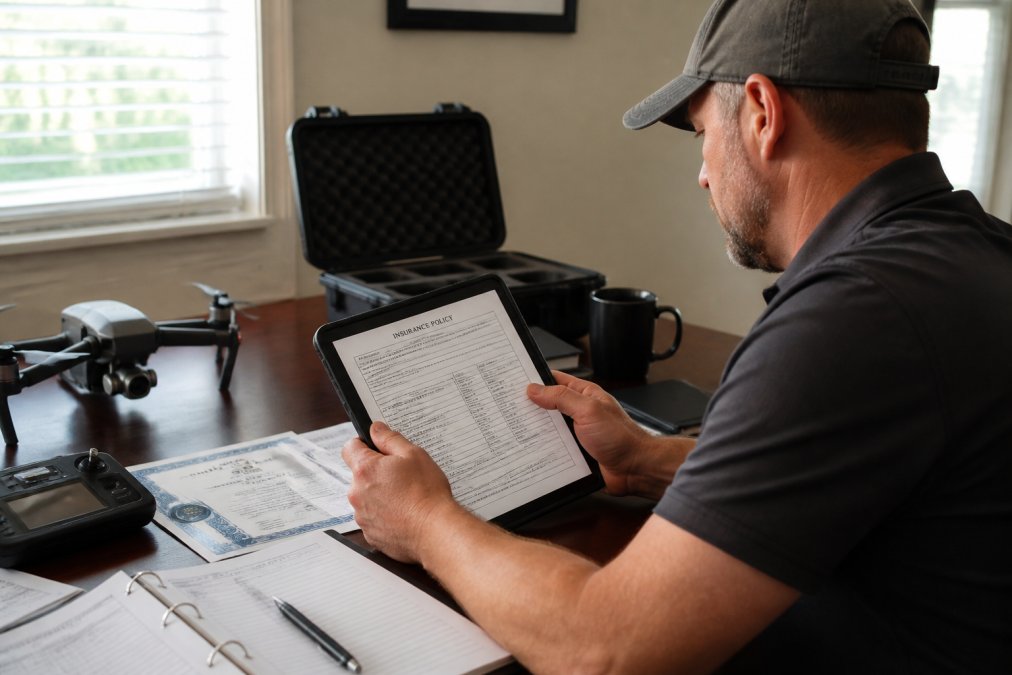
A certificate of insurance is a formal document issued by your insurance company that proves you carry active coverage. Clients request this document before hiring you. It serves as proof of financial responsibility and professional credibility.
Obtaining a certificate is straightforward. Once your insurance policy is active, contact your insurance provider and request a certificate of insurance. Most insurers generate it within hours. You'll receive a PDF that includes your policy number, coverage limits, effective dates, and the insurer's contact information.
The certificate should list you as the certificate holder and typically names the client as an additional interested party. Some clients request to be named as an additional insured, a designation that extends some coverage protections to them. Discuss this with your insurance provider before agreeing to it.
Keep multiple copies of your certificate. You'll need to provide it to clients before each project. Store digital copies in cloud storage for quick access. Update your certificate annually when you renew your policy.
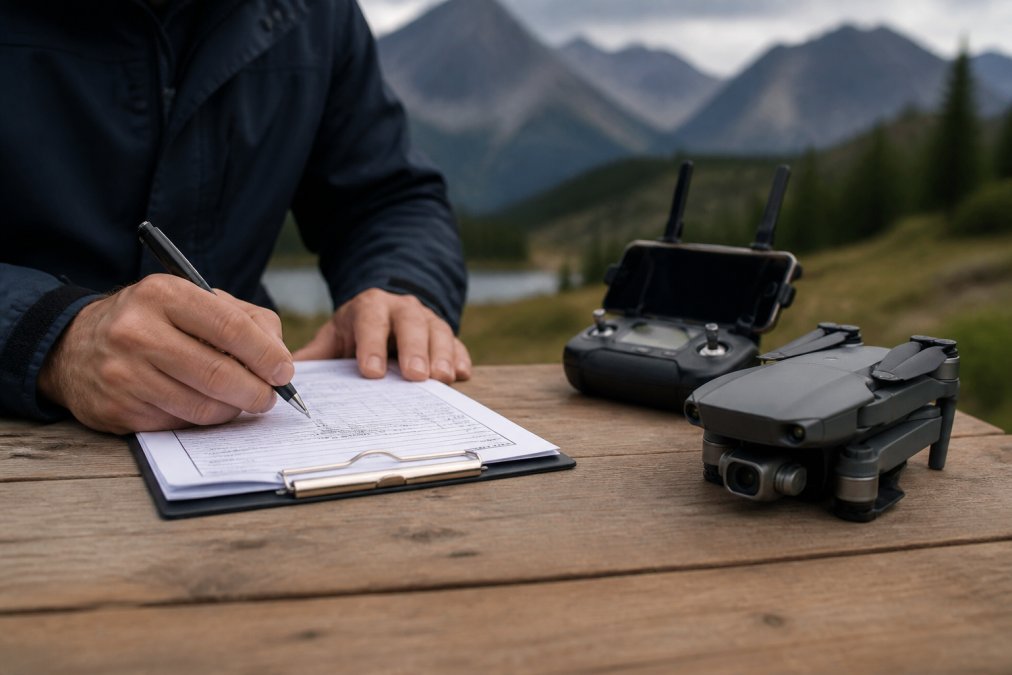
Compliance extends beyond having insurance. Maintain detailed flight logs documenting every operation. Record the date, location, duration, aircraft type, and nature of the work. These logs demonstrate responsible operations and help insurers defend claims if one arises.
Document your Part 107 certification and keep proof of current status readily available. Insurance companies may request verification of your certification during claims investigations.
Report incidents promptly to your insurance provider, even minor ones. If your drone malfunctions, collides with an object, or causes any damage, notify your insurer immediately. Delays in reporting can complicate claims.
Conclusion
Drone pilot insurance protects your business from financial catastrophe while demonstrating professional credibility to clients. The FAA doesn't mandate it, but the commercial market does. Real estate agents, construction firms, agricultural operations, and public safety agencies all expect proof of coverage before hiring.
At Gods Eye Drone, we've built our operations on this foundation. Our certified pilots carry comprehensive coverage that reflects our commitment to safety and professionalism. When you work with a fully insured operator, you're partnering with someone who takes risk seriously and protects both themselves and you. Book Now to experience the difference that professional-grade operations and proper insurance coverage make in delivering results that matter.
Frequently Asked Questions
What kind of insurance does a drone pilot need?
A drone pilot typically needs commercial general liability insurance, which covers third-party bodily injury and property damage claims. Hull coverage is optional but recommended for protecting your aircraft and equipment. If you hold an FAA Part 107 certificate for commercial operations, liability insurance is essential. Coverage limits usually start at $1 million for commercial operations, though some clients require higher limits. Your specific needs depend on your operation type, client contracts, and the assets you're protecting.
Is drone liability insurance legally required by the FAA?
The FAA does not mandate drone insurance directly. However, the FAA Part 107 regulations require commercial drone operators to maintain operational control and minimize risk. Many clients, including government agencies and major corporations, contractually require proof of liability insurance before hiring a drone service. Additionally, if you operate beyond visual line of sight (BVLOS) or conduct specialized operations like thermal imaging for search and rescue, insurance becomes practically essential for legal and business protection.
How much does commercial drone insurance cost?
Commercial drone insurance cost varies based on your coverage limits, operation type, flight hours, pilot experience, and equipment value. A basic $1 million liability policy typically costs less than a $2 million policy. Factors affecting pricing include your safety record, whether you use geofencing technology, your pilot certification status, and the specific industries you serve (real estate, agriculture, construction, or emergency response). Contact your insurance provider for a quote tailored to your operation.
What is the difference between liability and hull coverage for drones?
Liability insurance covers damage or injuries your drone causes to third parties, including property damage and bodily injury claims. Hull coverage protects your aircraft, camera equipment, and payload against physical damage from crashes, weather, or accidents. Liability is the primary requirement for commercial operations; hull coverage is optional but protects your investment. Many operators carry both to minimize financial risk from equipment loss and third-party claims.
What does a Certificate of Insurance (COI) include?
A Certificate of Insurance is a one-page document issued by your insurance provider proving you have active coverage. It lists your policy number, coverage limits, policy dates, and the types of coverage (liability, hull, etc.). Clients often request a COI before hiring your services as proof of financial responsibility. The COI typically covers your operation for 30 days and can be renewed. Having a COI readily available streamlines the booking process and builds client confidence in your professionalism.
Does my homeowner's insurance cover commercial drone operations?
No. Homeowner's insurance explicitly excludes commercial activities and business operations. If you conduct any drone work for payment, including real estate photography, agricultural monitoring, or construction inspections, you need a separate commercial drone insurance policy. Operating commercially under homeowner's insurance violates your policy terms and leaves you uninsured for liability claims. Separate commercial coverage is required regardless of whether you operate from home or a business location.
What factors affect drone insurance premiums?
Key factors include your FAA Part 107 certification status, flight hours logged, type of operations (photography, inspection, thermal imaging), coverage limits requested, equipment value, safety record, use of advanced technology like geofencing, and geographic coverage area. Operators with more flight experience and clean safety records typically pay lower premiums. Specialized operations like search and rescue thermal imaging or BVLOS flights may cost more. Annual policies are usually less expensive per month than on-demand coverage.
This article was written using GrandRanker