 How-to
7 Steps to Choosing the Right Drone Network Provider
Last Updated: November 2, 2026
Quick Summary
Choosing the right drone network provider starts with defining your project's required outcome, deliverables and timeline. Then verify the pilot's FAA Part 107 certificate, insurance coverage, data security and written service terms before you sign.
- Define the deliverables and file formats you need before contacting any vendor.
- Ask every provider the same questions so you can compare answers side by side.
- Confirm the pilot's current FAA Part 107 Remote Pilot Certificate matches the person who will fly.
- Request a certificate of insurance naming your organization as an additional insured before work begins.
- Confirm in writing that you own the raw imagery, processed data and reports.
Table of Contents
- Define What Your Project Actually Needs
- Drone Provider Questions to Ask Before You Hire
- Verifying Professional Drone Pilot Qualifications
- Insurance, Liability, and Data Security Requirements
- Evaluating Drone Inspection Services for Critical Assets
- Pricing, Service Level Agreements, and Exit Terms
- Your Drone Services Company Checklist and Next Step
- Frequently Asked Questions
Define What Your Project Actually Needs
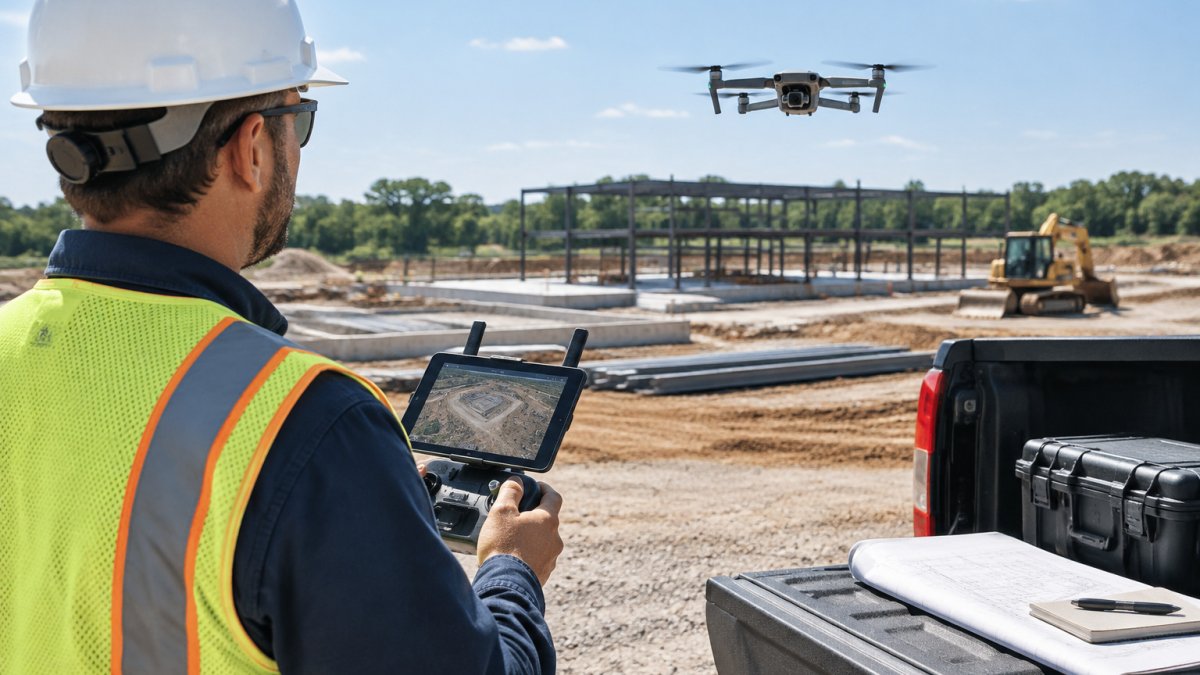
Choosing the right drone network provider starts with a clear picture of your project. A vendor that suits a wedding videographer may be the wrong fit for a bridge inspection. Write down the outcome you need before you talk to anyone. Gods Eye Drone serves real estate agents, farmers, construction managers, public safety teams and event planners across the Kansas City area, and each group needs something different from the same aircraft.
Start with the question your project must answer. A listing needs clean exterior images. A crop study needs multispectral data. A roof inspection needs close, repeatable imagery of specific components.
Deliverables and Data Formats
Define the files you will receive before you sign anything. Ask whether you need edited photos, raw video, orthomosaic maps, thermal readings or annotated inspection reports. Each format changes how the data gets used and who needs to open it.
Confirm the delivery method as well. Make sure your team can open and store what you receive.
Timeline, Weather Windows, and Rescheduling
Drone work depends on weather, wind and daylight. Ask how the provider plans for these limits and how it handles a rescheduled flight. A realistic schedule includes a buffer for at least one rescheduled date, especially for projects with fixed deadlines.
Drone Provider Questions to Ask Before You Hire
A short list of direct questions separates capable operators from casual ones. Ask each provider the same questions so you can compare answers side by side.
Useful questions include:
- What equipment and sensors will you use for this project?
- Who will fly the mission, and what certifications do they hold?
- How do you handle weather cancellations?
- What do the final deliverables look like, and in what format?
- How do you store and secure client data?
- What insurance do you carry?
Pay attention to vague answers. A provider who explains the process in specific terms usually understands the work.
Verifying Professional Drone Pilot Qualifications
Ask to see the pilot's FAA Part 107 Remote Pilot Certificate. This federal certification is the standard credential for commercial drone operations in the United States. Confirm the certificate is current and that the pilot's name matches the person who will fly your mission.
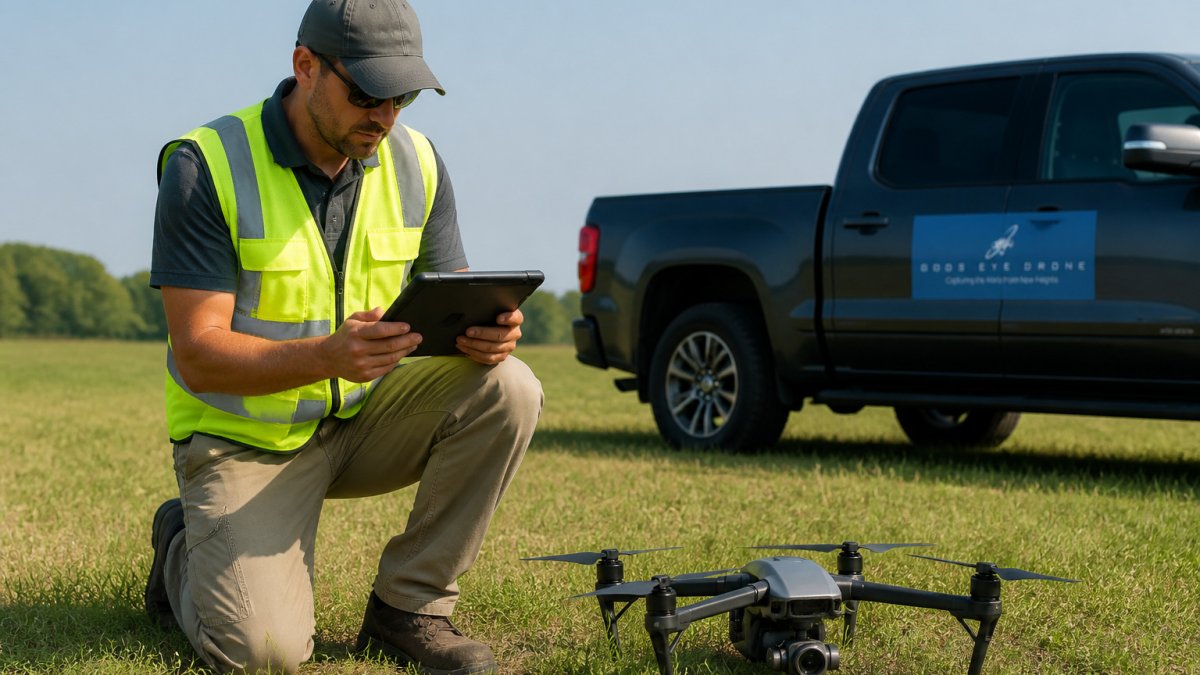
Experience matters as much as the certificate. Ask how many flights the pilot has completed in your type of work. A pilot who has inspected similar structures will anticipate problems a newer operator might miss.
Insurance, Liability, and Data Security Requirements
Insurance review is a document exercise, not a conversation. Request a certificate of insurance (COI) before work begins and confirm it names your organization as an additional insured. The COI should show the policy types, limits, and effective dates.
Coverage Types to Confirm
The policies that matter for drone work typically include:
- General liability, covers third-party bodily injury and property damage during operations.
- Aviation liability, a separate policy for the aircraft itself, since many general liability policies exclude aviation exposures.
- Hull or equipment coverage, protects against loss of the aircraft, which matters if a crash delays your project.
- Workers' compensation, confirms crew members are covered if injured on your site.
- Professional liability or errors and omissions, relevant when the provider delivers inspection findings or analytics you rely on for decisions.
Ask for the coverage limits in writing and compare them to your own risk tolerance and any contractual insurance requirements your organization imposes on vendors. A common pattern is for enterprise buyers to require aviation liability limits in the millions and to verify the policy is current at the time of each flight, not just at contract signing.
Watch out: a certificate that lists a policy expiration date before your project ends leaves a coverage gap, so calendar the renewal date and request an updated COI.
Data Security and Privacy Protocols
Data security questions should go beyond "where is it stored." Ask who on the provider's team can access your files, whether access is role-based, whether data is encrypted in transit and at rest, and whether the provider uses multi-factor authentication on its storage accounts. For work over critical infrastructure, public safety scenes, or private property, request written confidentiality terms and a description of the provider's incident response process if data is exposed.
Confirm the retention schedule: how long raw and processed data remain on the provider's systems, who can retrieve them after the project ends, and how deletion is verified. If your organization operates under a security framework such as NIST or has internal vendor-risk requirements, ask the provider to complete a security questionnaire and provide evidence of their controls.
Ask for the specific storage platform and the account structure in writing.
Evaluating Drone Inspection Services for Critical Assets
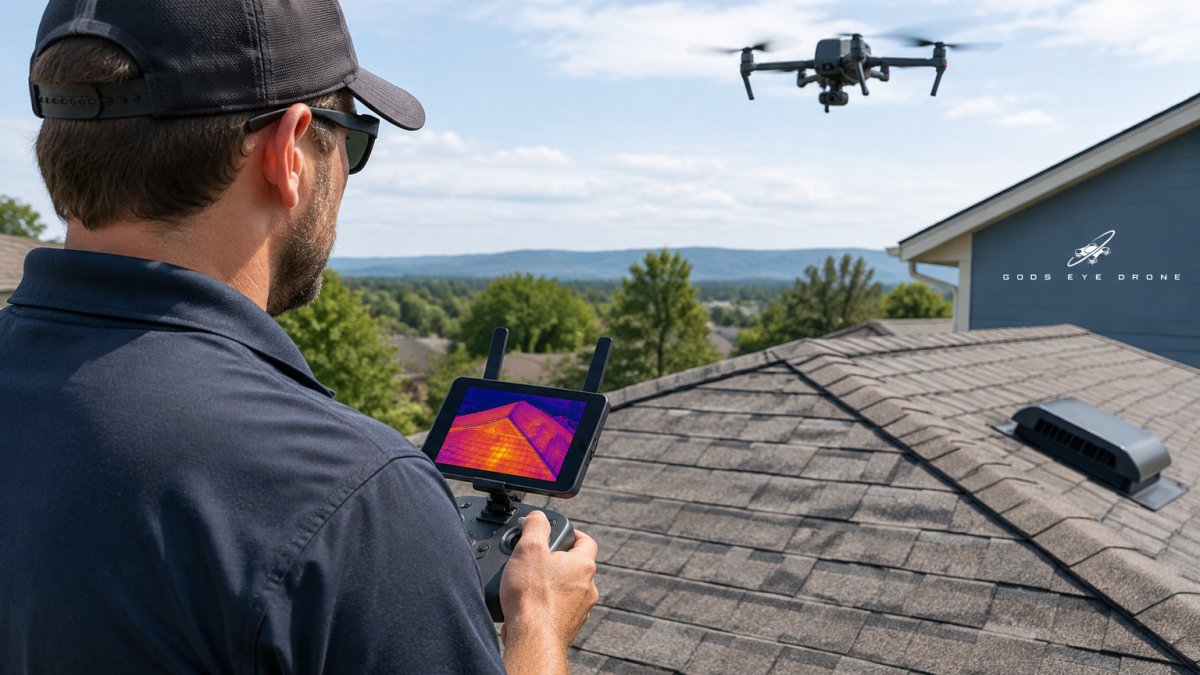
Inspections of towers, power poles, roofs and other critical assets require repeatable methods and clear documentation. When choosing the right drone network provider for inspections, ask how they capture each component, how they flag defects and how they present findings to engineers and maintenance teams.
Review sample reports from similar projects. A useful inspection report shows location, condition, and photographic evidence for each finding. Gods Eye Drone uses advanced FLIR equipment for specialized inspection work.
Pricing, Service Level Agreements, and Exit Terms
Pricing for drone network services is rarely a single line item. A written quote should separate mobilization and travel, flight time, sensor and equipment use, data processing, deliverable production, and any revision rounds. Ask each provider to quote the same scope in the same format so you can compare line by line rather than on a single total.
Watch out: a quote that lists only "flight services" without naming deliverables, revision limits, or travel assumptions is not comparable to a detailed bid, and the difference usually surfaces as change orders after the contract is signed.
How to Structure a Drone Services SLA
A service level agreement for drone work should define measurable commitments, not just intentions. The core terms to negotiate are:
- Response time, how quickly the provider acknowledges a request and schedules a flight, typically stated in business hours for standard work and shorter windows for emergency inspections.
- Delivery time, the number of business days from flight completion to delivery of each deliverable, stated separately for raw data, processed maps, and final reports.
- Revision rounds, how many rounds of edits are included and what counts as a revision versus a new scope item.
- Weather and rescheduling, how many weather days are built into the schedule, who bears the cost of a rescheduled flight, and how far in advance a cancellation must be made.
- Data retention, how long the provider keeps your files after delivery and what happens to them at contract end.
- Remedies, service credits, re-flight obligations, or fee reductions if delivery commitments are missed.
Data Ownership and Exit Terms
Exit terms are where many drone contracts are weakest. Confirm in writing that your organization owns the raw imagery, processed data, and reports produced for your project, and that the provider will deliver the full dataset, not just the edited deliverables, in a usable format on request. Ask how long the provider retains copies after termination and whether they will certify deletion.
Watch out: if the contract is silent on data portability, a provider change mid-project can leave you without the raw files needed to reprocess or hand off to a new vendor. Specify the file formats (for example, GeoTIFF for orthomosaics, LAS or LAZ for point clouds, and standard video and image formats) and the delivery method in the exit clause.
Finally, confirm the notice period for termination, whether any early-termination fees apply, and how outstanding invoices are handled. A clean exit clause protects both sides and is a sign the provider has worked with enterprise clients before.
The article lists the core terms to negotiate in a drone services SLA.
| Term | What to define | Why it matters |
|---|---|---|
| Response time | Acknowledgment and scheduling window | Sets how fast requests get a flight |
| Delivery time | Business days from flight to delivery | Separates raw data, maps and reports |
| Revision rounds | Included edits and scope changes | Prevents surprise change orders |
| Weather and rescheduling | Weather days and cancellation notice | Covers who bears rescheduling costs |
| Data retention | How long files are kept after delivery | Clarifies access after the project ends |
| Remedies | Credits, re-flights or fee reductions | Gives recourse for missed commitments |
Your Drone Services Company Checklist and Next Step
Before you select a provider, confirm each item on this list:
- Defined project goals and required deliverables
- Confirmed file formats and delivery method
- Verified current FAA Part 107 certification for the pilot
- Reviewed insurance certificate and coverage limits
- Checked data storage, access and retention policies
- Received a written quote and service level agreement
- Understood rescheduling and cancellation terms
When you are ready to move forward, contact Gods Eye Drone to discuss your project. Our certified pilots will walk you through the equipment, deliverables and schedule for your specific needs. Book a consultation today and get a clear, written plan for your next aerial project.
Frequently Asked Questions
What should I look for when choosing a drone services provider?
Start with the pilot's FAA Part 107 remote pilot certificate, a documented safety management process, and proof of general liability and aviation liability insurance. Ask for sample deliverables that match your use case, such as orthomosaic maps for surveying or high-resolution stills for listings. Confirm how the provider stores and deletes your data, and whether they hold a written operations plan for your site. Providers who answer these questions in writing are generally easier to manage over the life of a project.
How can I verify a drone pilot's qualifications?
Request a copy of the pilot's FAA remote pilot certificate and check it against the FAA's public airmen registry. Ask which operations they have flown under Part 107 and whether they hold waivers for operations such as flights over people or beyond visual line of sight, if your project requires them. Ask for flight logs or a summary of recent flight hours on comparable work. For inspection work, ask whether the pilot has completed training specific to the sensors being used, such as thermal or multispectral payloads.
What insurance should a drone services provider carry?
A professional provider should carry general liability insurance and aviation liability coverage for unmanned aircraft, with limits that match the value of your property and the risk of the work. Ask for a certificate of insurance naming your company as additional insured. Confirm whether the policy covers operations near structures, crowds, or critical infrastructure, since exclusions for these situations are common. Verify coverage details before the project starts rather than after an incident.
How do I compare drone service providers?
Build a simple scoring sheet with the same criteria for every bidder: pilot certification, insurance limits, sample deliverables, data handling, turnaround time, and rescheduling policy. Ask each provider to quote the same scope so the prices are comparable. Pricing depends on project size, number of visits, deliverable formats, and turnaround, so request a written quote from Gods Eye Drone at its website for current rates. Weigh the answers to your questions more heavily than the lowest number.